

Introduction
The What is fasting? It's not a question just for religious circles.
It is a question that also concerns modern nutrition, health, and spirituality.
1. What is fasting?
Definition
Fasting is the awareness of abstinence from food or specific foods for a certain period of time.
It can be complete fasting (completely without food) or with restriction to one type of food.
Differences between religious and dietary fasting
Religious fasting is about spirit and habit (e.g. Christianity, Islam).
Fasting in religions
In Orthodoxy, long periods are observed (e.g. Lent).
In Islam, Ramadan mandates abstinence during daylight hours.
Buddhism has periods of abstinence from food after noon.
2. Types of fasting
Religious fasting
Like for Easter and Christmas — fish or oil are allowed depending on the day.
The purpose is spiritual purification and obedience.
Intermittent fasting
Organizing meals in time intervals, e.g. 16 hours of fasting – 8 hours of eating.
3. What does fasting involve in practice?
Foods in Christian fasting
Fish allowed on certain days.
Legumes, tahini, seafood, fruits and vegetables — all in a way.
Menu examples
Breakfast: oatmeal with tahini and honey
Lunch: lentil or vegetable soup
Dinner: salad with chickpeas, olive oil and lemon
Protein replacement
Legumes and seafood meet protein and iron needs.
Recipes
Hummus, lentil soup, legumes like green beans or chickpeas.
Lenten ingredients from the cupboard
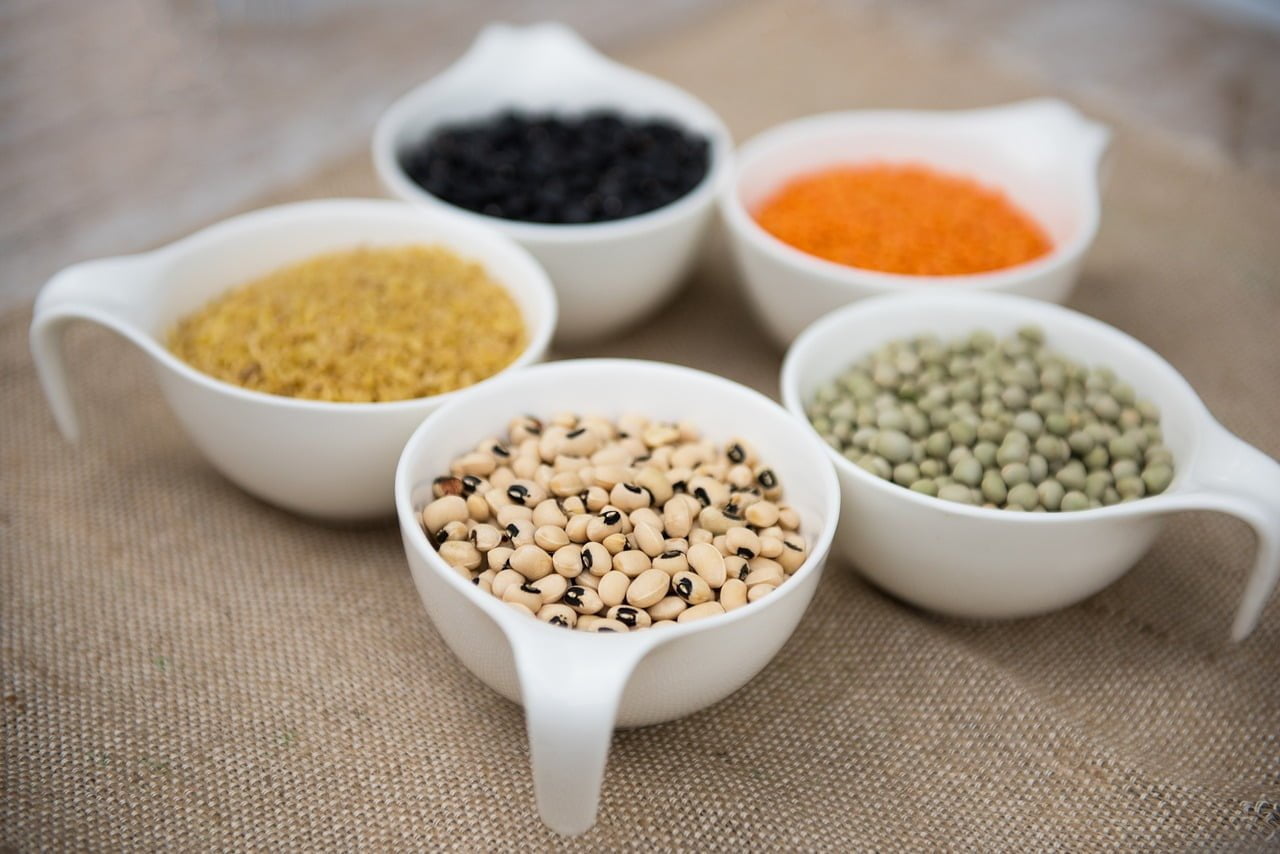
Legumes: lentils, chickpeas, beans, fava beans and broad beans, for soups, stews and salads.
Tahini and halva, for breakfast, sauces and sweets.
Olives, pickles and sea buckthorn, for appetizers and salads.
Nuts and dried fruits, for snacks and fasting sweets.
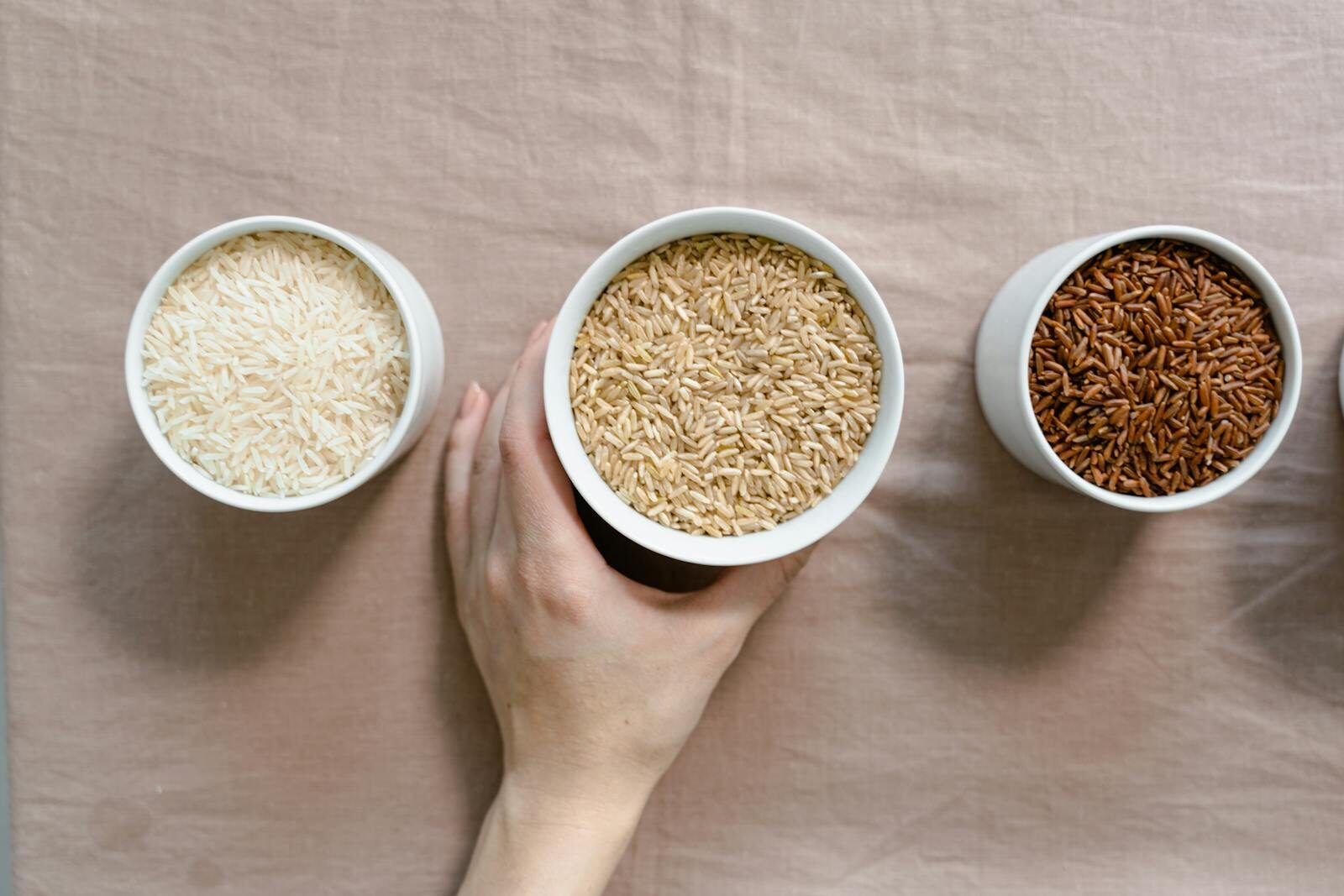
Nuts, rice, bulgur and pasta without eggs, for hearty dishes.
Spices and herbs, to give flavor to the oil dishes.
4. Fasting and modern lifestyle
Management
Gradual introduction, stability and information from a specialist ensure balance and safety.
Contribution to sustainable nutrition
The plant-based nature of religious fasting fits with pro-environmental and sustainability views.
Frequently Asked Questions (FAQs)
What is fasting and why do we fast?
It is the abstinence from certain foods for a period of time, for religious, traditional or personal reasons.
When do we fast in Orthodoxy?;
The major periods of fasting are Lent before Easter, the forty days before Christmas, and the Fifteenth of August (August 1–14).
Fasting is also observed every Wednesday and Friday, with exceptions during certain weeks of the year.
What do we eat during fasting with/without oil?
Plain and simple — legumes, seafood, vegetables, but no animal fats.
What foods are fasting foods?
Legumes, nuts, fruits, vegetables, olive oil, tahini.
Conclusion
THE fasting It is a multidimensional practice with cultural, religious and nutritional aspects.
When applied correctly, it can bring a lot to physical and mental health.
The key is balance and an approach with respect and knowledge.
If you're interested in trying it—give it time, listen to your body, and consult a specialist.
Fasting Products
-
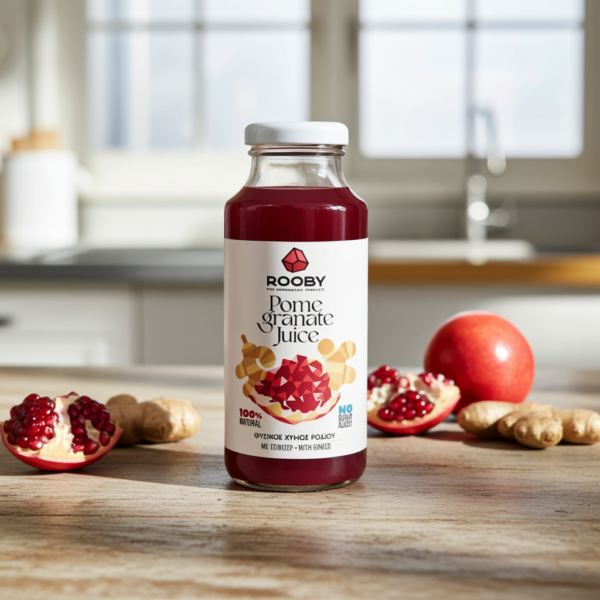
 Natural pomegranate juice with ginger2.10€
-
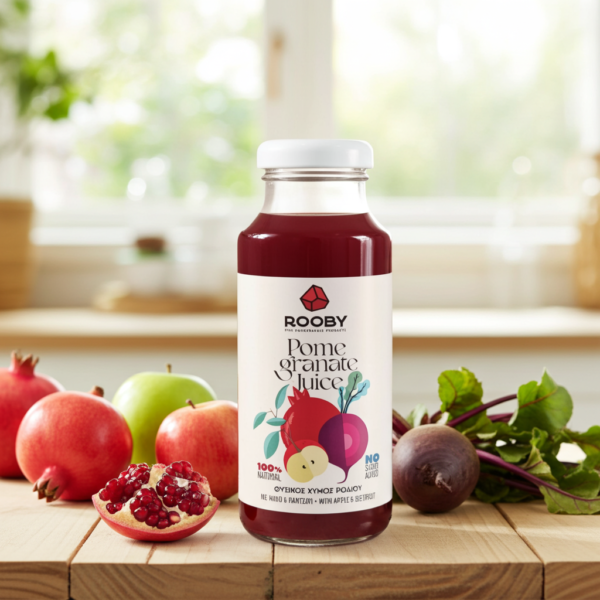
Natural pomegranate juice with apple and beetroot2.10€
-
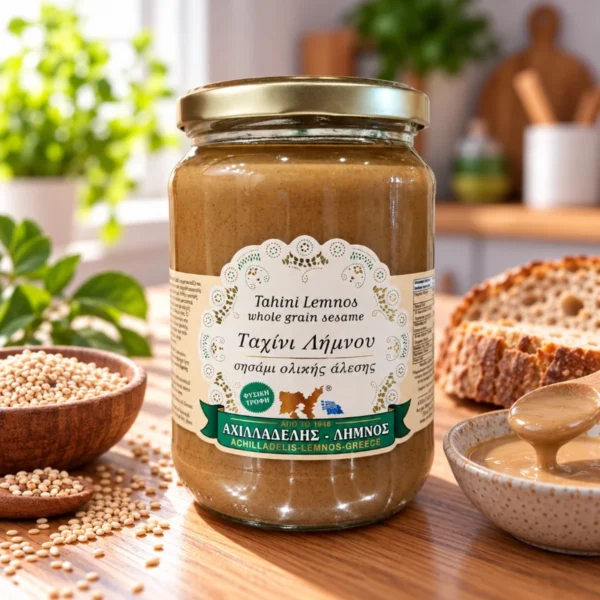
Achiladelis Whole Milled Tahini from Limnos9.30€
-
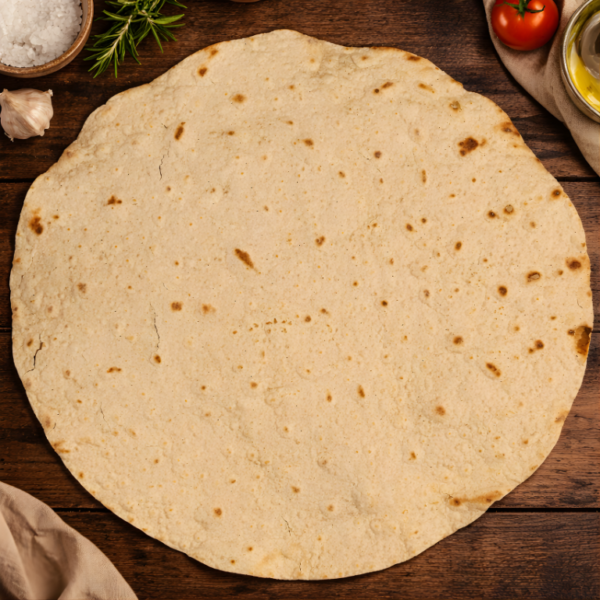
Sheets Perc5.70€
-
Classic Almond Butter6.00€
-
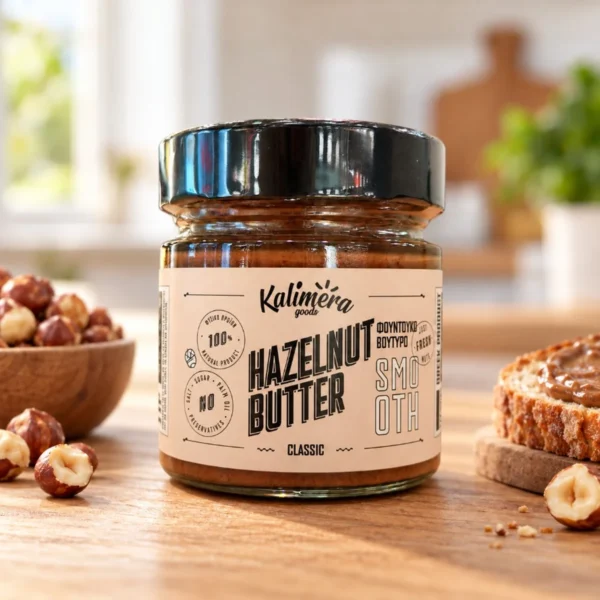
Hazelnut butter7.30€
-
Cashew Butter6.80€
-
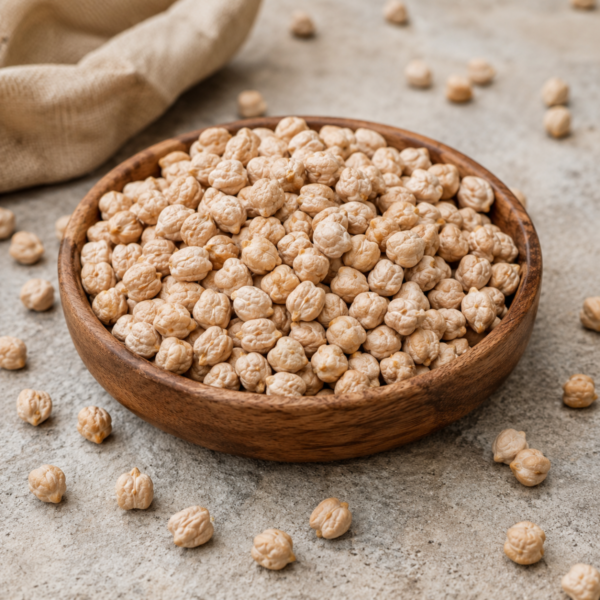
Chickpeas of SerresPrice range: 1.20€ through 4.80€
-
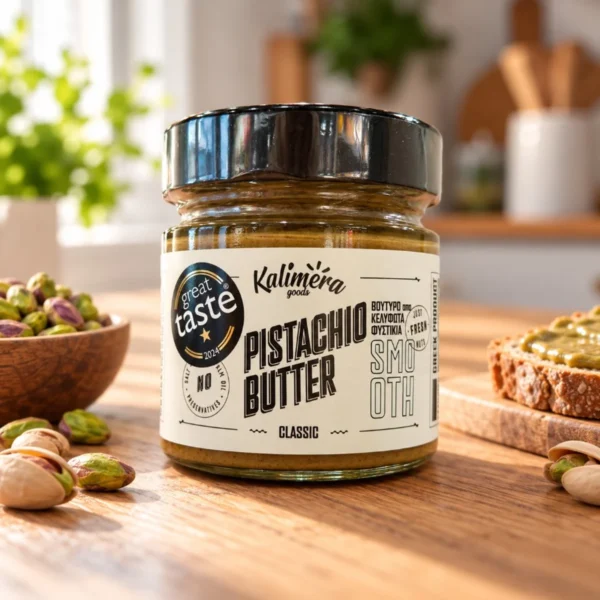
Pistachio butter made from Greek pistachios12.30€
-
Smooth peanut butter made from Greek peanutsPrice range: 4.00€ through 9.70€
-
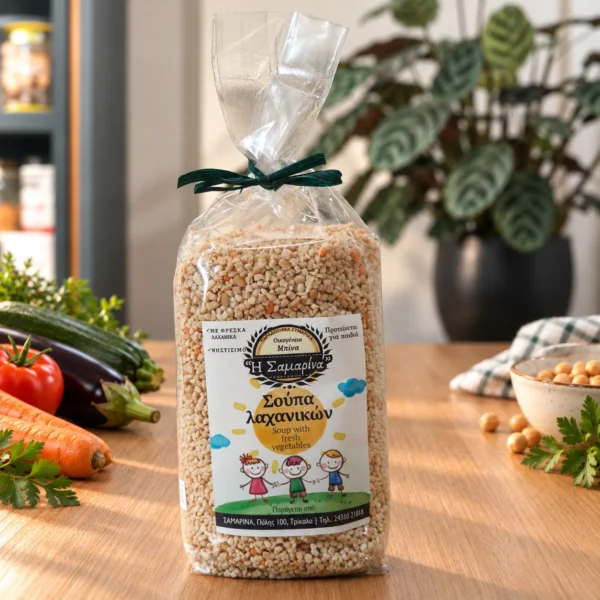
Vegetable soup for children, trahanas with chickpeas4.50€
-
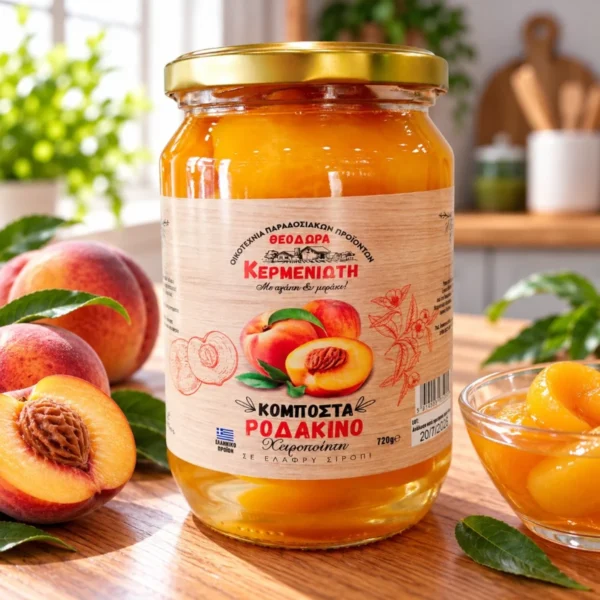
Peach compote in light syrup4.90€