



Introduction
The corn flour It is one of the most popular raw materials in cooking and confectionery, while in recent years it has gained even greater popularity thanks to consumers' shift towards more natural and traditional products.
Although many associate it exclusively with the preparation of rustic bread or polenta, it corn flour it has many more uses.
It is used in sweet and savory recipes, offers a special flavor and can be an excellent choice for those looking for alternatives to classic flours.
One only has to enter a traditional kitchen in a village in Epirus, Thessaly or Macedonia to understand how important a place it holds in Greek gastronomy.
From pies to handmade breads and traditional sweets, corn has accompanied the Greek diet for centuries.
In this guide you will discover what is corn flour, what are its basic characteristics, what are its most important uses, what is its nutritional value and how you can choose the right product according to your needs.
What is the corn flour
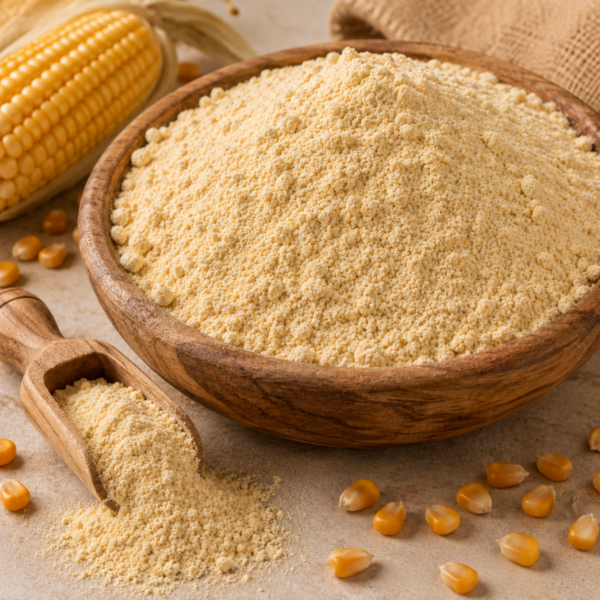
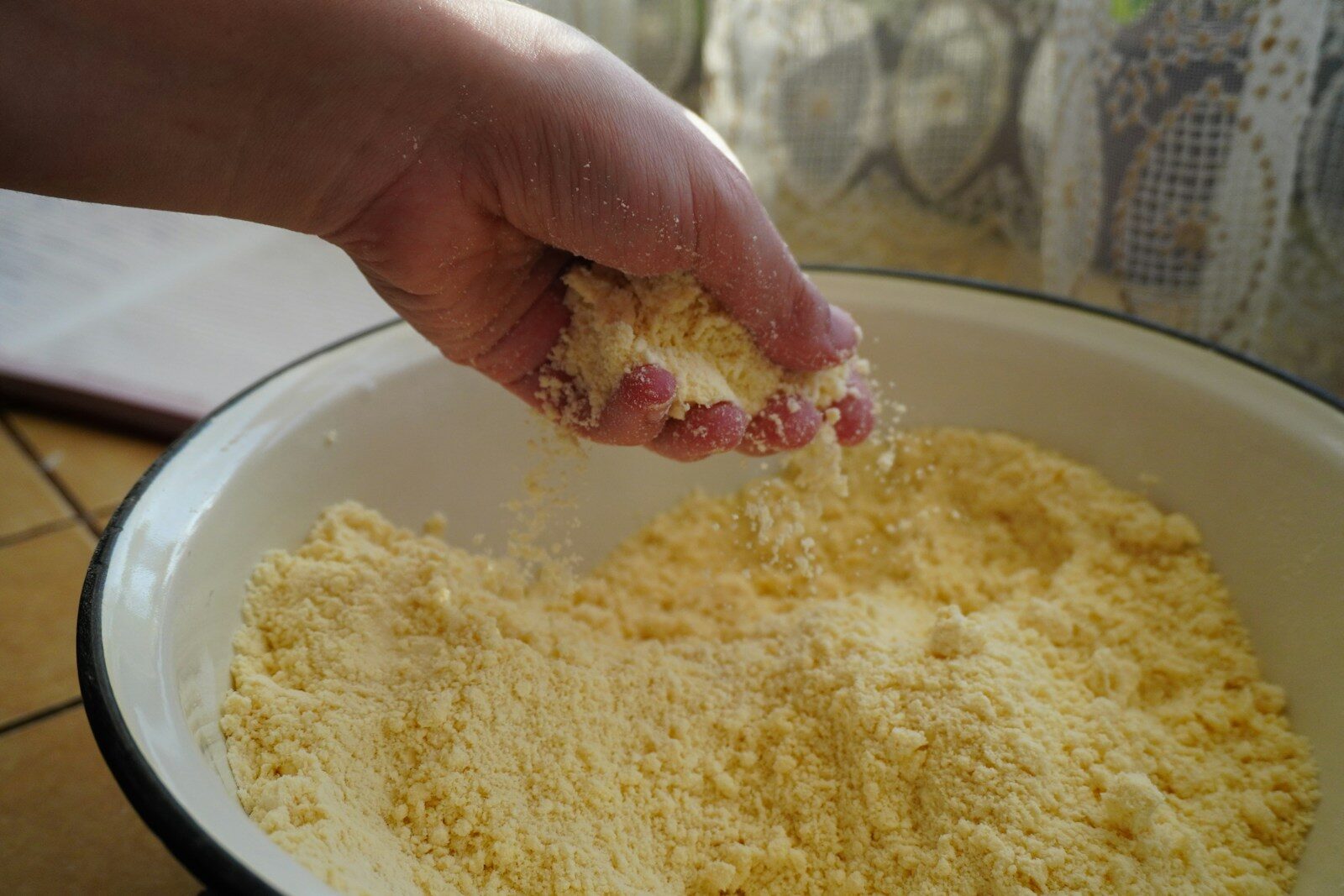
The corn flour It is produced by grinding dried corn kernels. Depending on the grinding method, it can be very fine or coarse. Its texture significantly affects the final result in recipes.
The small thing corn flour It is used more in confectionery, while the thicker versions are preferred for polenta, traditional pies and rustic breads.
Its characteristic yellow color is due to the natural pigments of the corn. Its taste is slightly sweet and strongly reminiscent of corn itself. This is what gives it such a special character in recipes.
Unlike other flours, it does not contain gluten by its natural composition. However, this does not mean that every product on the market is suitable for people with celiac disease.
If the product has been produced in facilities where gluten grains are also processed, there is a possibility of contamination.
That's why those following a strict gluten-free diet should always check the relevant certification on the packaging.
How is it produced? corn flour
Its production begins with the selection of high-quality, ripe corn kernels. The kernels are carefully cleaned of foreign matter and allowed to dry completely. They are then ground in special mills.
Traditional stone grinding is still considered one of the best methods, as lower temperatures are developed during processing, thus better preserving natural flavors and nutrients.
Industrial milling allows for greater production and a more uniform texture.
Both methods can give a quality result when applied correctly.
Items
Fine corn flour
The small thing corn flour It is mainly used in:
- bread
- cake
- cookies
- pancakes
- muffins
- buns
Its fine texture helps create fluffier preparations.
Coarse corn flour
The big one corn flour it is ideal for:
- polenta
- traditional pies
- hoecake
- rustic bread
It retains more of the characteristic texture of corn.
Corn flour and gluten
One of the most frequently asked questions is whether has gluten. The answer is that the pure Corn Flour does not contain gluten.
However, its presence also depends on the production conditions. If the packaging states “gluten-free,” then the product has been produced according to specific specifications to avoid contamination.
For those who suffer from celiac disease or have an increased sensitivity to gluten, this information is particularly important.
Nutritional value
The corn flour It is a good source of complex carbohydrates.
It provides energy that is released gradually throughout the day.
At the same time, it contains fiber that contributes to the normal functioning of the digestive system.
It also contains:
- B vitamins
- magnesium
- phosphorus
- potassium
- small amounts of iron
The corn flour It has a relatively low fat content.
This makes it suitable for many balanced diets.
Its exact nutritional value depends on the degree of processing and whether or not part of the corn germ has been removed.
Benefits of corn flour
Regular consumption as part of a balanced diet can provide several benefits.
- Complex carbohydrates contribute to a steady supply of energy.
- Fiber helps the intestines function properly.
- Corn contains natural carotenoids, such as lutein and zeaxanthin, substances that have been studied for their role in eye health.
- It is also a good choice for those who want more variety in their diet, without relying exclusively on wheat flour.
Where is it used? corn flour
The corn flour It is one of the most versatile flours in the kitchen.
- It is used to make traditional bobota.
- It is a basic ingredient of polenta.
- It is added to rustic breads for a richer flavor.
- It is used in pies, both alone and in combination with wheat flour.
- It gives excellent results in pancakes and muffins.
- Many people use it for breading, as it creates a particularly crispy crust.
- It is also ideal for tortillas and other traditional Latin American cuisine recipes.
How to choose quality corn flour
Choosing a good one corn flour starts from the origin of the raw material.
- A quality product has a pleasant natural aroma reminiscent of fresh corn.
- Its color is uniform, from light to bright yellow, depending on the variety of corn.
- Its texture should be firm and free of lumps.
How to store it properly corn flour
- The corn flour It is best preserved when stored in a cool, dry place.
- Humidity can alter both its texture and flavor.
- After opening the package, it is preferable to transfer it to an airtight glass or plastic container.
- This protects it from moisture, insects and strong environmental odors.
- During the hot summer months, many people choose to keep their corn flour in the refrigerator. This helps extend its shelf life, especially when it is a stone-ground product that contains more natural oils.
Corn flour in cooking
One of the reasons why corn flour remains so popular is its versatility.
It can be used in both traditional and modern recipes.
Corn Flour Bread
The rustic bread with Corn Flour It acquires a richer flavor and a characteristic golden color.
It is usually combined with wheat flour to obtain a better structure.
Hoecake
Bobota is perhaps the most famous Greek recipe with Corn Flour.
It is easy to prepare and goes perfectly with cheeses, olives and legumes.
Polenta
Polenta is one of the most famous dishes based exclusively on Corn Flour.
It is served as a side dish to meat, mushrooms or vegetables.
Pies
The Corn Flour It is used in many traditional pies of the Greek countryside.
It gives a more intense flavor and crispy texture.
Breading
Many professional chefs use Corn Flour for breading fish, chicken or vegetables.
The result is particularly crispy and light.
Sweet
The Corn Flour also used in:
- muffins
- cookies
- pancakes
- cake
- cookies
It adds a special aroma and a richer texture.
Corn flour or wheat flour?;
The choice depends on the use.
Wheat flour contains gluten and creates more elastic doughs.
The Corn Flour It offers a different flavor and a crispier texture.
In many recipes, both are used together to combine the advantages of each flour.
Cornmeal or cornflour?;
Many people confuse the corn flour with the cornflour.
In fact, these are two different products.
The corn flour It comes from the whole corn kernel.
Corn flour is produced only from corn starch.
Cornstarch is mainly used to thicken sauces and creams.
It is used in baking, confectionery and cooking.
Where can I buy? corn flour in Greece?;
The Corn Flour available in supermarkets, organic stores, traditional grocery stores and delicatessens.
If you are looking for quality corn flour, it is worth preferring specialized stores that emphasize the quality of the raw material and proper storage.
In Athens, you can find selected Corn Flour in Grocery Store Bakalokarpos, in 92 Kypselis Street, Kypseli, where you will find a wide variety of flour, legumes, cereals and traditional Greek products.
If you prefer online shopping, you can order corn flour easily through the Bakalocarpou's eshop, with shipping throughout Greece, secure payments and cash on delivery option.
Buying from a specialty grocery store often offers greater variety and better information about the origin and characteristics of each product.
Frequently Asked Questions (FAQ)
The corn flour Does it have gluten?;
The clean corn flour does not contain gluten.
However, for people with celiac disease, a certified contamination-free product is required.
It is the corn flour suitable for bread?;
Yes. It is usually combined with wheat flour to give the dough better elasticity.
Can I use corn flour in sweets?;
Of course. The corn flour used in cakes, cookies, muffins and pancakes.
Is it suitable for a vegan diet?
Yes.
The corn flour It is a plant-based product and can easily be incorporated into vegan and fasting recipes.
How long is it kept?
When stored properly in an airtight container, corn flour it can be preserved for several months without losing its characteristics.
Conclusion
The corn flour It is an excellent raw material that combines tradition, flavor and flexibility.
It is ideal for bread, pies, sweets, polenta, breading and dozens of other recipes.
Its natural flavor, nutritional value, and the absence of gluten in its composition have made it particularly popular in recent years.
Choosing quality corn flour from reliable producers and specialized stores, you can enjoy a product that offers authentic flavor and high quality.
Whether you love traditional Greek recipes or experiment with new culinary ideas, it deserves a permanent place in your kitchen.
In our online store you will find corn flour and all the rest of our flour.
Related products
-
 Corn FlourPrice range: 0.48€ through 1.90€