


Definition
How do they differ from conventional
Unlike conventional, organics prohibit synthetic chemicals and ensure a natural environment, a richer soil microbiome, and a cleaner composition.
Legislation and certification
In Greece and the EU, organic production is governed by strict criteria and controls.
Food production, processing and standardization standards apply.
Certificates
The main seals are:
- BIO-HELLAS (Greek)
- DIO (Greek Ecological AGRICULTURAL Production Network)
- EU Organic Logo – EU certification
2. Why choose organic products
Reducing exposure to pesticides
Research shows that common pesticides can have harmful effects.
Organic products expose the consumer to much lower levels of chemicals.
Ecological awareness
Organic farming enhances soil health, saves water and reduces the carbon footprint.
Support for small producers
By purchasing organic products, we strengthen the sustainability of the local farming community.
3. Organic products for children and pregnant women
Is it safer?
Many parents wonder whether organic products are necessary for children and pregnant women.
Organic fruits, vegetables, and grains are often lower in pesticide residues.
Points of attention
Organic baby foods should be checked for sugar, salt or preservatives.
Role in infant nutrition
Organic fruits and vegetables offer a clean source of vitamins, while cereals provide fiber safely.
What does “certified” mean?
The indication means that the product meets production standards and has been tested by a recognized body.
4. Popular organic product categories
Fruits and vegetables
They are the most common organic products on the shelves.
Cereals, legumes and pasta
Organic rice, brown flour, lentils — ingredients for basic meals.
Honey and spreads
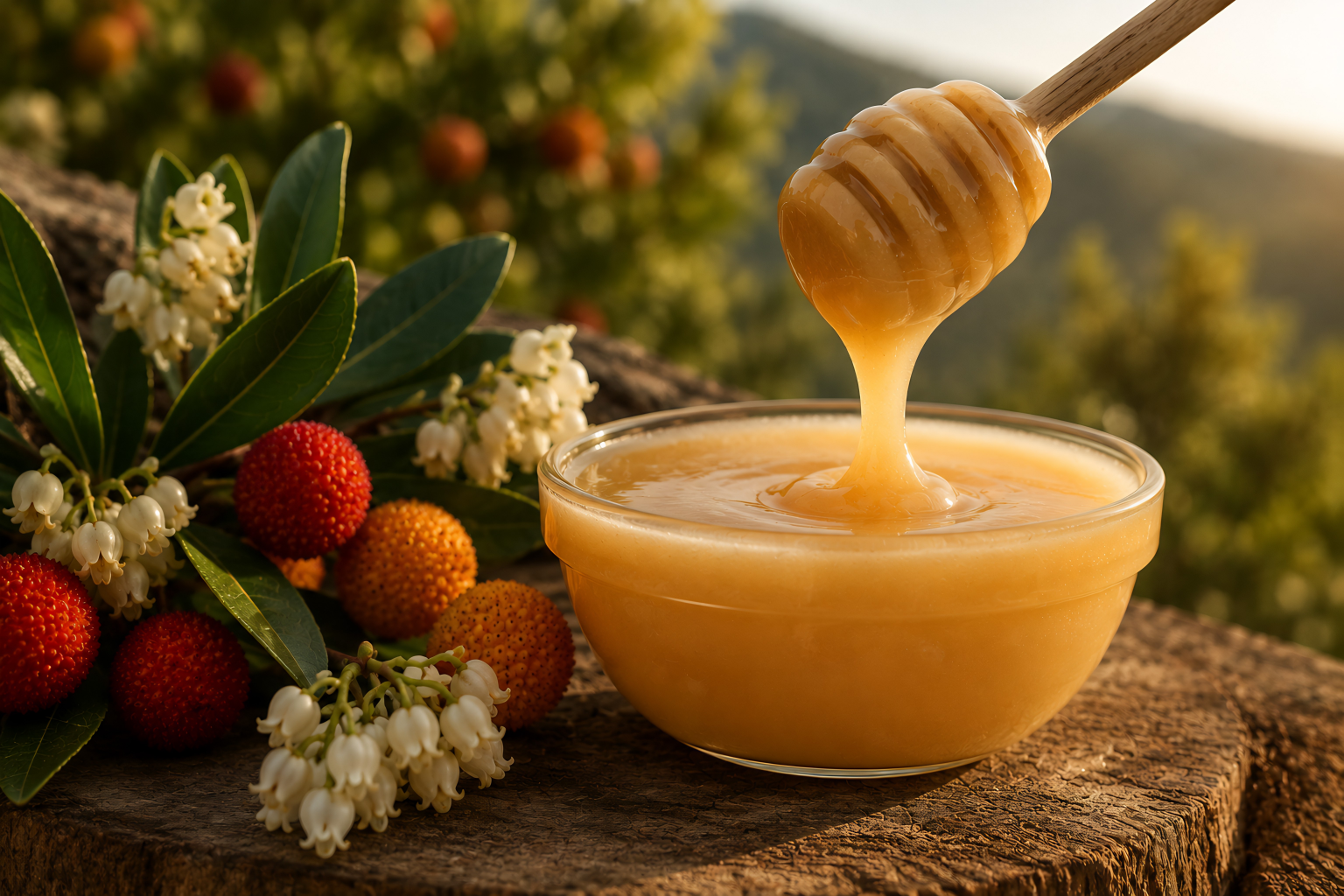
Organic honey comes from apiaries under controlled conditions.
Dairy & eggs
Organic eggs and milk have fewer pesticides or antibiotics.
Meat & cold cuts
Organic chicken, free-range beef, and organic deli options offer strict nutritional provenance.
Cosmetics & cleaners
Many consumers are looking for organic shampoos and soaps — safe for skin & the environment.
5. Where can I find organic products?
Physical stores
Specialty stores and farmers' markets, such as Bakalokarpos Grocery — often with local produce.
Supermarket
Large chains have organic shelves with certified products.
Online
Organic food e-shops offer availability and price comparisons.
Producer markets
Direct purchase from producers, lower cost and quality guarantee.
6. How much do they cost and why are they more expensive?
Cost factors
Organic farming requires more work for control, crop rotation, and physical protection.
7. Frequently asked questions
Which ones have sugar?
Some organic foods come with added sugar — always read the nutrition label.
Conclusion
It's about the substance behind the label — quality, safety and sustainability.
The important thing is to shop responsibly: choosing authentic certifications and gradually incorporating products into our budget.
Organic foods deserve a place in our daily healthy and comprehensive diet.
See our Organic Products
-
 Organic Black Garlic Paste4.00€
-
Organic Carob Coffee3.40€
-
Organic Matcha Tea7.10€
-
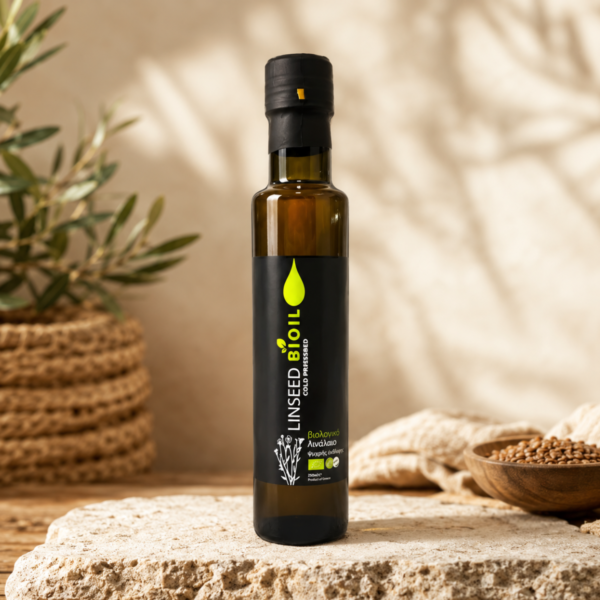
Cold pressed organic linseed oil5.90€
-
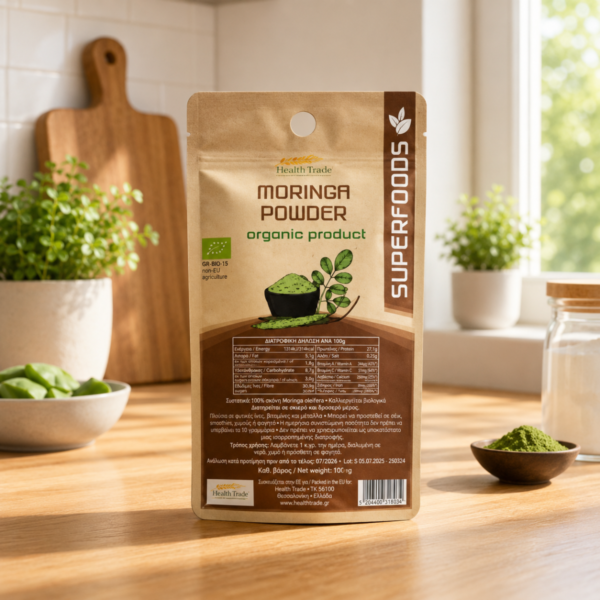
Organic Moringa Powder6.50€
-
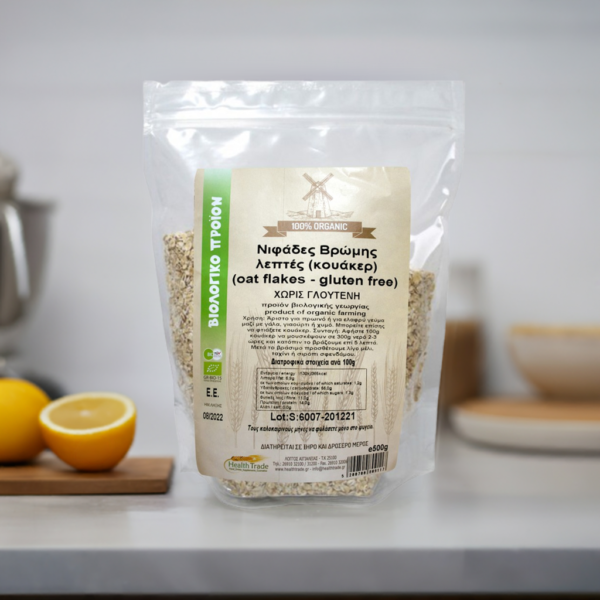
Organic Gluten Free Oatmeal3.70€
-
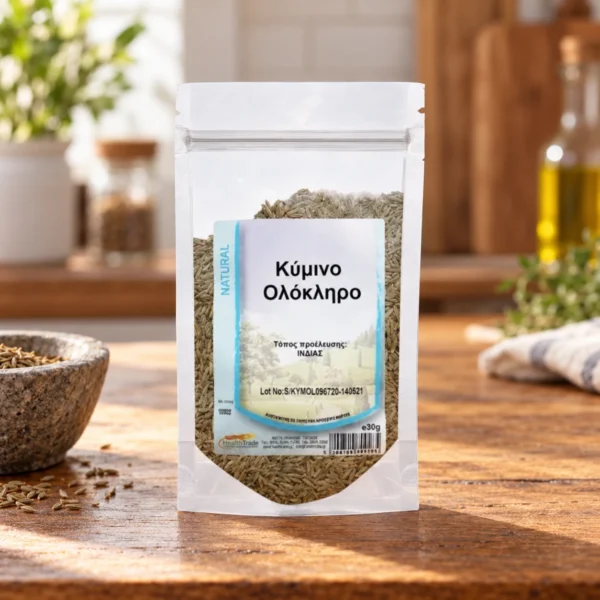
Whole cumin1.80€
-
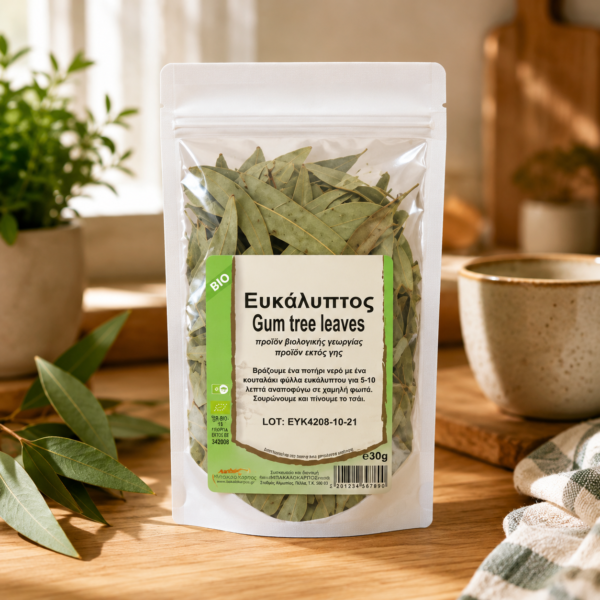
Organic Eucalyptus Leaves2.00€
-
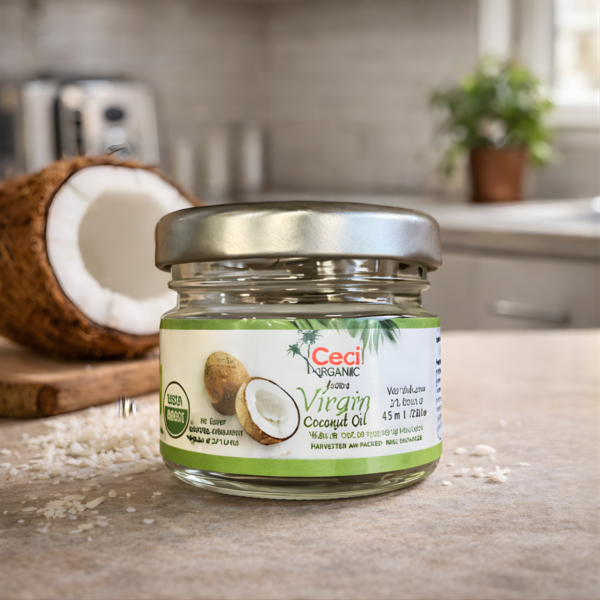
Extra Virgin Coconut oil1.50€
-
Organic Avocado Oil10.00€
-
Organic Agave Syrup4.00€
-
Organic Sugarcane Molasses3.10€


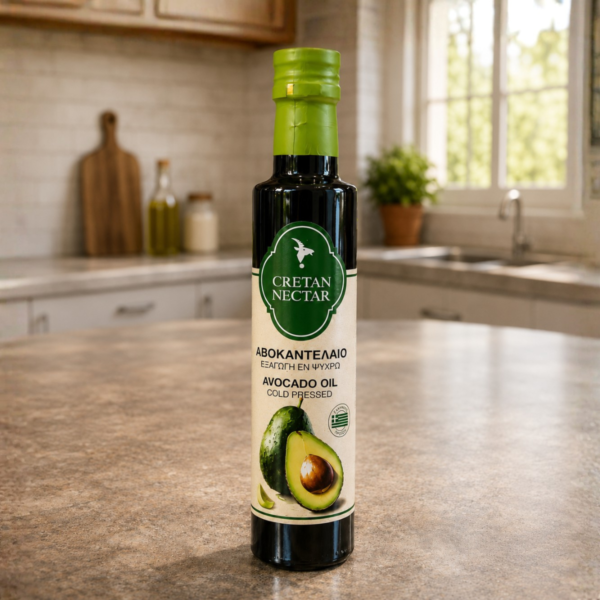
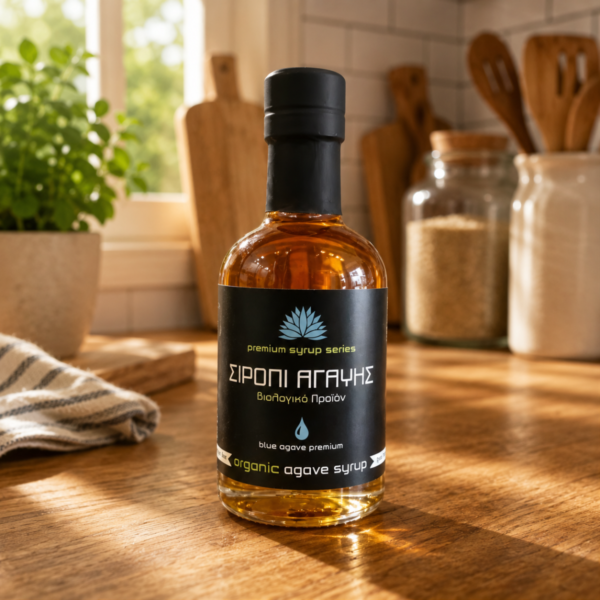
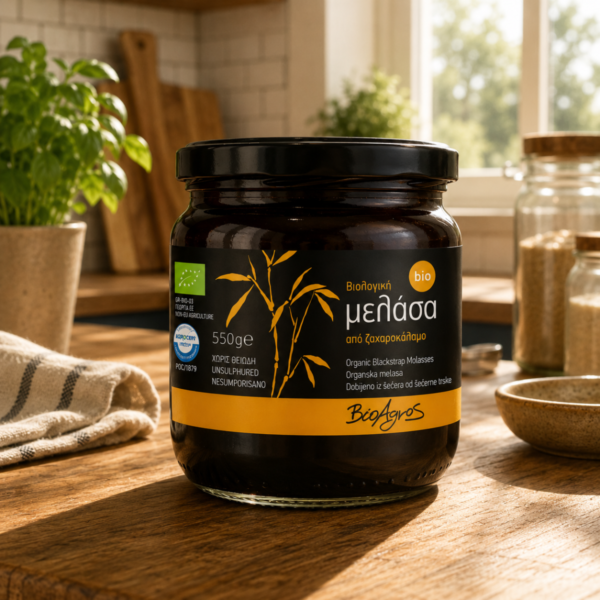
In our online store you will find all our organic products.