



Introduction
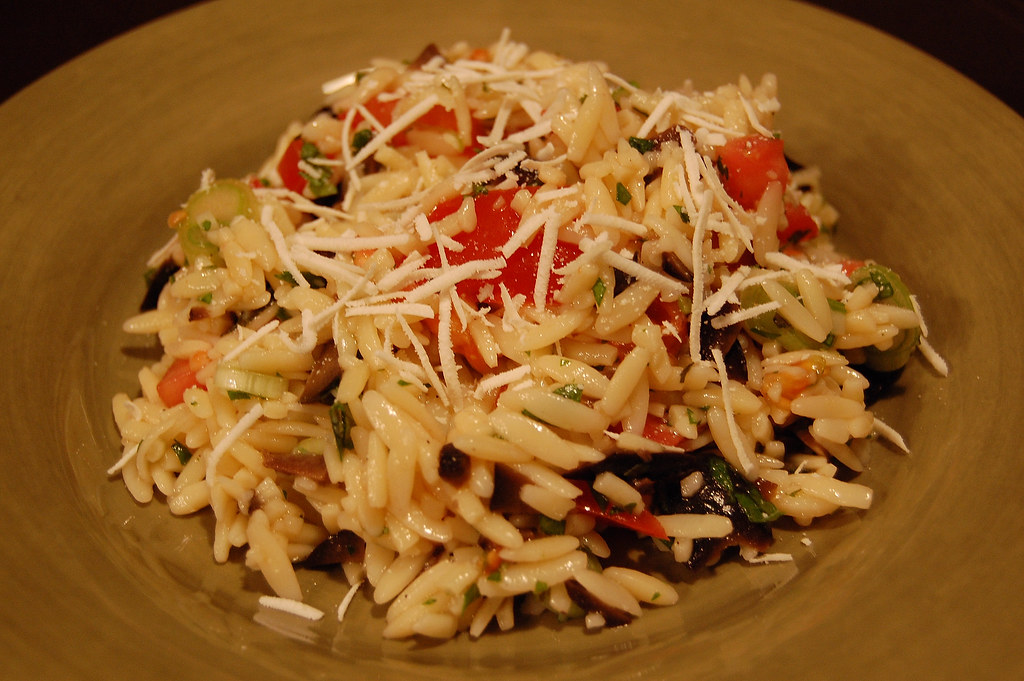
The orzo It is one of the most beloved pastas in Greek cuisine.
Despite its small size, it has managed to become a protagonist in dishes that combine tradition, deliciousness and convenience.
From the classic giouvetsi to the modern “kritharotto”, this pasta is everywhere.
It is easy to cook, adapts to any season and perfectly accompanies meat, fish or vegetables.
In the following sections you will learn what exactly it is, how to cook it properly, which recipes to try, and which questions are answered once and for all.
What is orzo?
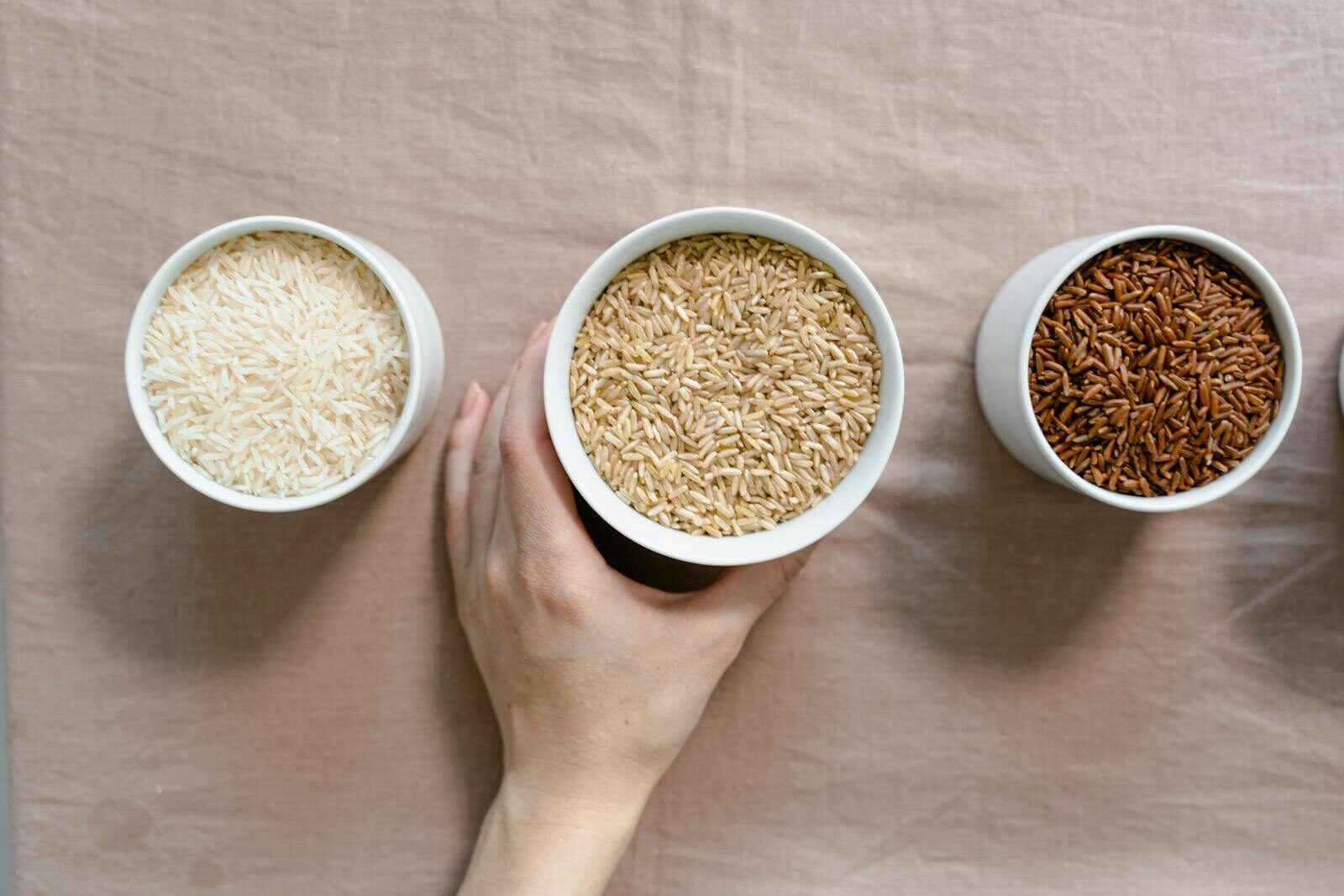
The orzo It is a small pasta that looks like rice, but it is not rice.
It is made from durum wheat semolina and water – like pasta.
Its name comes from its shape, which resembles a grain of barley.
They often call it rice, mainly in international cuisines, although in Greece it maintains its own, authentic identity.
Is orzo pasta or rice?
Many people confuse it with rice because of its size, but it orzo belongs to pasta.
The main difference is that rice is a cereal, while orzo comes from wheat flour.
The result is a fuller flavor and a different texture when cooking.
Types of orzo
- White: the most common, with a neutral taste.
- Whole grain: darker, rich in fiber.
- Gluten free: for those who have intolerances, from cornmeal or rice.
Nutritional value & dietary notes
It is not only tasty, but also nutritious.
- Calories: approximately 350 kcal per 100 g raw.
- Carbohydrates: source of energy for the body.
- Protein: contributes to the feeling of satiety.
- Fibre (especially whole grains): they aid digestion.
Does it have gluten?
Yes, traditional orzo contains gluten, as it is made from wheat.
However, there are also gluten-free versions, especially for those with celiac disease or intolerance.
Is it fasting?
Depending on its ingredients, you can find vegetarian and vegan options. orzo and can be combined with vegetables, seafood or vegetable oils.
Orzo and sugar
It has a moderate glycemic index, so it is consumed in moderation.
It is ideally combined with protein (e.g. lentils, chicken, tuna) for balance.
Perfect cooking: no mud – no sticking
This pasta has a tendency to "drink" liquids, so it requires proper handling.
Liquid ratio
For every 1 cup of orzo, you need about 3 cups of liquid (water or broth).
If you are making kritharotto, you gradually add the broth, like in risotto.
Secrets of success
- Save with a little oil before the liquids — it holds the texture better.
- Salted the water when boiling, like spaghetti.
- Stir often., so that it doesn't stick.
- Keep it al dente., because it continues to "work" even after being turned off.
Should we wash it?
No, if you're going to cook it straight away.
However, you can rinse it lightly if you use it in a salad.
Recipes – Ideas for every taste
Orzo in the pot
- With chicken: simple and delicious, with tomato sauce and a little cinnamon.
- With vegetables: peppers, carrots, mushrooms, zucchini for a fasting option.
- With minced meat: a classic, nutritious dish for the whole family.
- Kritharotto: sauté the orzo and gradually add broth until it becomes creamy.
Orzo in the oven
- Yuvetsi with veal: the ultimate traditional recipe.
- Chicken with orzo in the oven: lighter version.
- Seafood with orzo: shrimp, mussels or octopus for a Mediterranean touch.
- Sausage with peppers: for something more “comfortable”.
Soups & light dishes
- Vegetable soup with orzo: ideal for winter evenings.
- Tahini soup with orzo: original and fasting option.
- Seafood soup: with ouzo and herbs for a gourmet aroma.
Fast & modern versions
- One-pan orzo: all in one pan, ready in 20'.
- Orzo with tuna & capers: cool, for summer.
- Caprese with orzo: cherry tomatoes, mozzarella and basil in a refreshing salad.
Portions, storage and leftovers
Quantities
For each person, calculate:
- 80–100 g raw orzo for main course.
- 50–60 g as a side dish.
What to do with leftover orzo
Add a little water or broth and heat it in a pan.
If it's dry, mix it with a little olive oil.
Freezing
Yes, it can go in the freezer.
Just make sure to store it in an airtight container and heat it slowly with a little liquid.
Special needs & common questions
For babies and children
The orzo It is ideal for the first solid foods (after the 8th month).
You can cook it with vegetables or lentils for a complete meal.
For diabetics
It is combined with fiber and protein to avoid sudden increases in blood sugar.
Orzo or rice?
The orzo absorbs more of the sauce, while the rice remains firmer.
It depends on the recipe and the result you want.
Name and foreign language usage
In English, orzo = orzo pasta.
In Italian recipes you will also find it as pastina.
Mini FAQ
Does orzo make you fat?
No, if consumed in moderation and combined with vegetables or protein.
Does it have gluten?
Yes, unless it is specially prepared gluten-free.
What is the correct fluid ratio?
1 part orzo to 3 parts liquid for perfect texture.
Which orzo should I use for which food?
Thin for soups, medium for casseroles, thick for the oven.
From what age can babies eat it?
From 8 months and up, as long as there is no intolerance.
“A stye in the eye”?
Another term – refers to a medical condition (barley/chalazion) and is not related to pasta.
Conclusion
The orzo It is a versatile and beloved pasta that fits every table.
It can be made into comfort food, a fasting option, or a gourmet dish depending on the ingredients.
With proper cooking, it doesn't get muddy, doesn't stick, and enhances any sauce or combination.
If there is one pasta that can unite generations around the same table, it is this one. orzo.
See the orzo and all the pasta that we have.
Related products
-
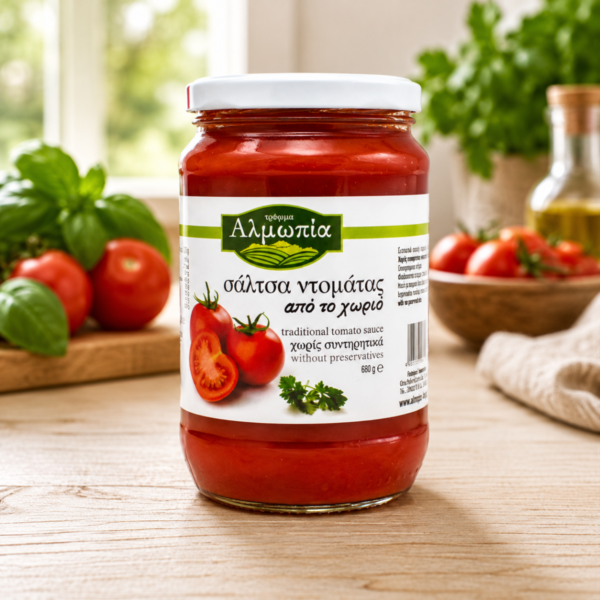
 Tomato sauce3.30€
 -
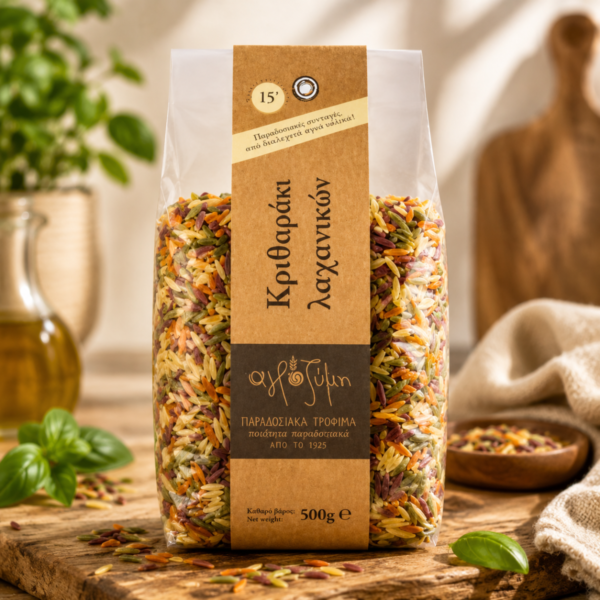
Vegetable Orzo3.50€