Traditional products – Why they are worth it in the modern diet
Traditional products are better due to purity, nutritional value and cultural connection. We analyze categories, differences, PDO legislation.
More than 80% of European consumers are now looking for foods with certified natural origin to enhance their health. Traditional Greek products stand out as a link between culinary delight and the Mediterranean diet, offering authentic flavors and essential benefits for your body. Getting to know these products reveals how tradition, quality and ecologically responsible food coexist in your daily choices.
Contents
What are traditional products and how are they defined?
Main categories and examples of Greek products
Quality characteristics and nutritional benefits
PDO/PGI legislation and certifications of authenticity
Economic, environmental and cultural benefits
Risks, costs and comparisons with industrial products
Main Notes
Point
Details
Definition of traditional products
Traditional products are linked to cultural heritage, local identity and include specific characteristics that differentiate them.
Biological and qualitative characteristics
They are distinguished for their purity, origin and high nutritional values, offering significant health benefits.
PDO/PGI certification
Legislation ensures the authenticity of traditional products through certifications such as PDO and PGI.
Economic and cultural benefits
They contribute to the development of local entrepreneurship and the promotion of cultural heritage, supporting sustainable development.
What are traditional products and how are they defined?
Traditional products constitute a unique category of food products that are inextricably linked to the cultural heritage and local identity of a specific region. According to a scientific approach, are linked to the food culture, history and customs of a specific region.The definition of traditional products includes specific characteristics that differentiate them from conventional foods. The main criteria for identification are:
Production methods passed down from generation to generation
Use of local raw materials
Traditional processing techniques
Respect for the local ecological balance
Preservation of cultural heritage
Traditional products are not just food, but living narratives that convey the history, values and culinary traditions of a community. Each product carries a unique story, from growing techniques to processing methods that have been shaped through centuries of experience and knowledge.Professional advice:When choosing traditional products, focus on provenance and local certifications to ensure their authenticity and quality.
Olive oil: The liquid gold of Greece, with PDO certifications from regions such as Kalamata and Crete
Dairy products: Feta, Gruyere, Kefalograviera, Manouri – all with PDO distinction
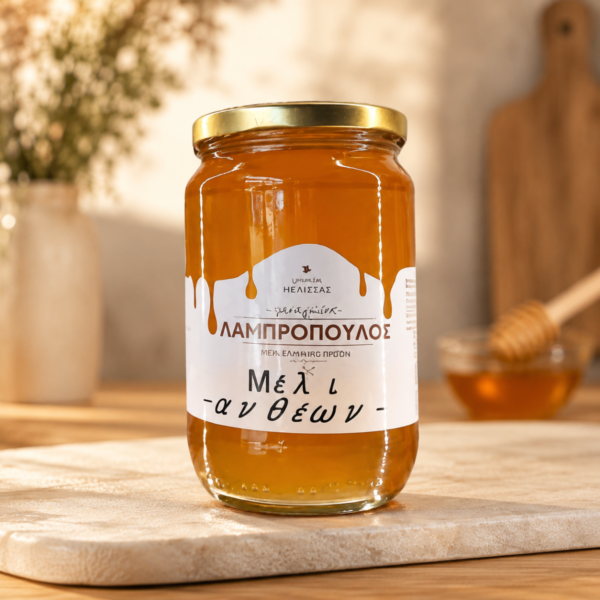
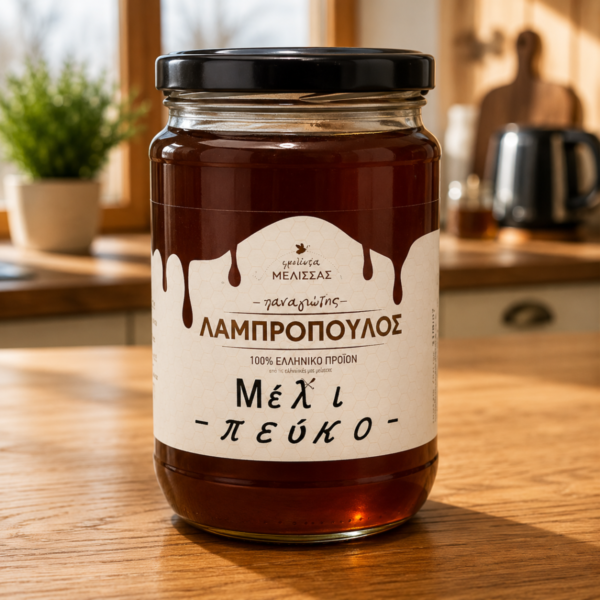
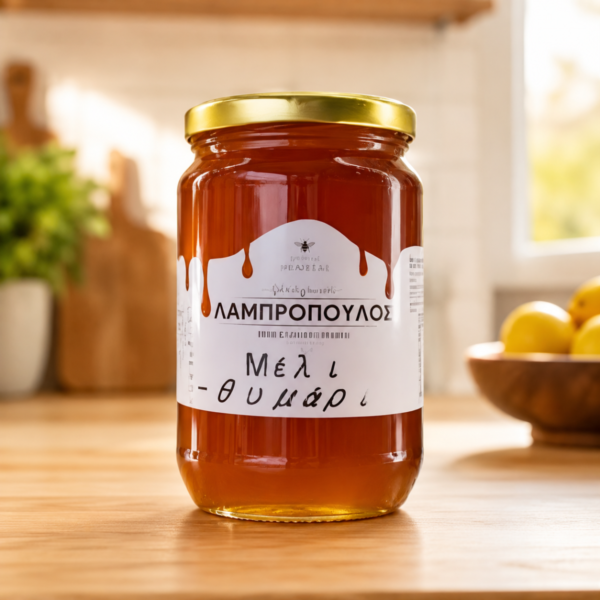
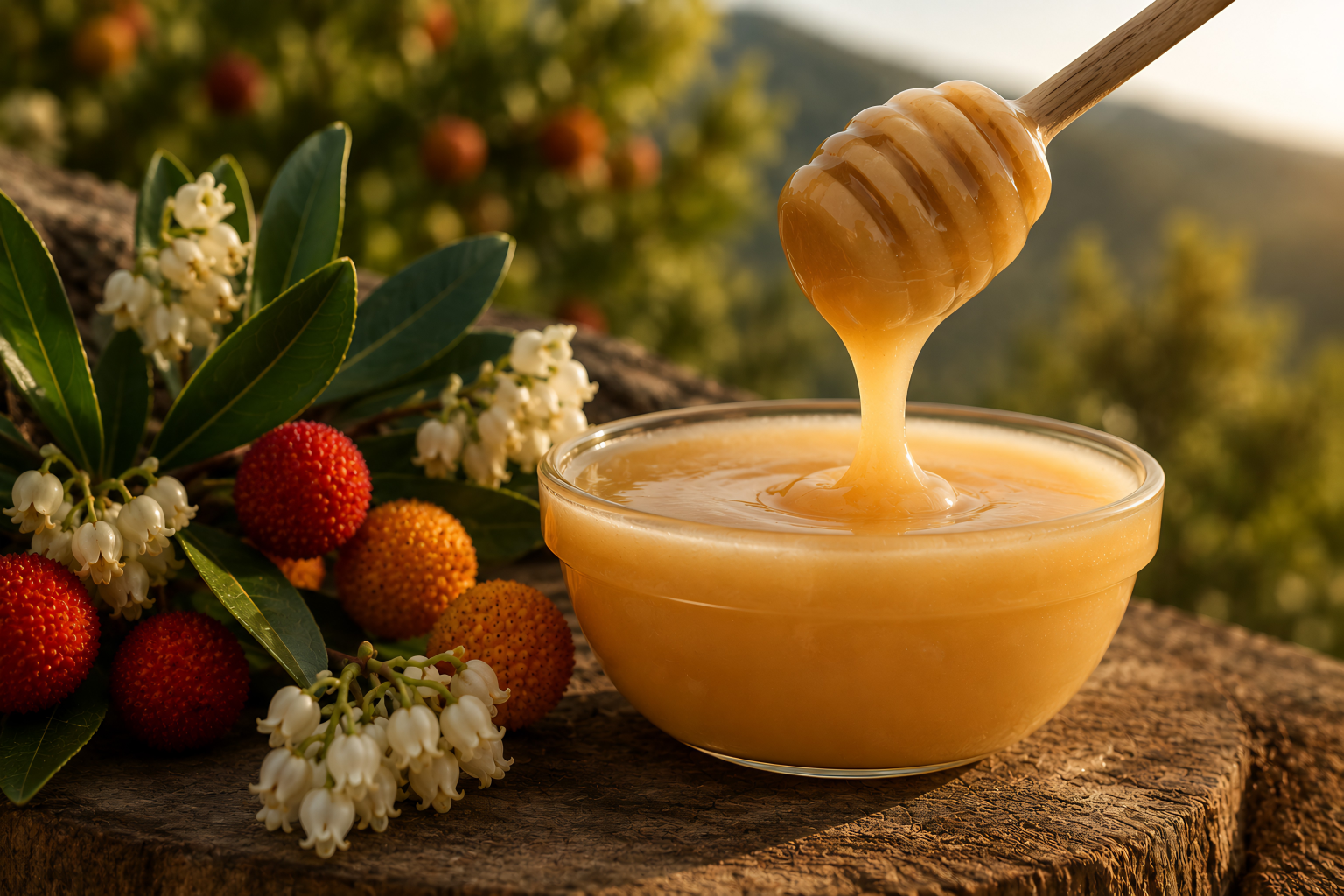
Honey: Pine honey, Thyme, Flowers from various Greek regions
Wines: Famous wines from Santorini, Nemea, Macedonia
Rare products: Chios Mastic, Kozani Crocus
Each region of Greece has its own unique taste identity. In Crete we find extra virgin olive oil, in Thessaly fine cheeses, in Macedonia traditional cold cuts and on the islands rare products such as mastic. Each product tells a story of place, tradition and family heritage.Professional advice:Always look for products with PDO (Protected Designation of Origin) certification to ensure authenticity and high quality.
Natural origin: Direct connection to local environment
Traditional methods: Beard treatment techniques
High nutritional density: Concentration of valuable nutrients
Organic farming: Respect for the natural ecosystem
The nutritional benefits are impressive. Virgin olive oil offers polyphenols and healthy fats, cheeses contain high-quality proteins, honey has antioxidant properties, and legumes are a rich source of fiber and protein.Professional advice:Choose traditional products with organic certification for maximum nutritional value and environmental support.
PDO/PGI legislation and certifications of authenticity
PDO (Protected Designation of Origin): Products produced, processed and prepared in a specific geographical area
PGI (Protected Geographical Indication): Products linked to a specific geographical area
EPIP (Traditional Speciality Product Guaranteed): Products with traditional composition or production methods
The legislative framework provides for strict control procedures by ELGO-Dimitra, which ensures that each certified product meets specific quality, origin and production process criteria. The controls include examination of raw materials, production methods, packaging and distribution. For a quick reference, see how the main certifications ensure the authenticity of products:
Certification
Focus
Advantage
PDO
Geographical area
Authenticity guarantee
PGI
Connection to region
Promotion of local products
EPIP
Traditional method
Maintaining uniqueness
Professional advice:When purchasing traditional products, always check for the presence of the official PDO, PGI or EPI marking on the packaging.
Economic, environmental and cultural benefits
Traditional products are valuable drivers of sustainable development, linking economic growth with cultural heritage and environmental protection. The main benefits include:
Economic benefits:
Strengthening local entrepreneurship
Job creation
Export promotion
Environmental benefits:
Biodiversity conservation
Protection of local ecosystems
Reducing environmental footprint
Cultural benefits:
Preservation of traditional knowledge
Cultural heritage display
Strengthening local identity
The production of traditional products is a holistic approach that combines economic viability with cultural sustainability. Local communities maintain traditional production techniques, while protecting the environment and creating economic value.Professional advice:By choosing traditional products, you directly support local communities and contribute to sustainable development.
Risks, costs and comparisons with industrial products
Unlike industrial products, traditional products maintain a significant competitive advantage in quality, authenticity and nutritional value. Despite the higher production costs, they offer a unique taste experience and connection with cultural heritage. For a better understanding, see the key points of difference between traditional and industrial products:
Criterion
Traditional Products
Industrial Products
Tasting experience
Rich, unique and local
Homogeneous, standardized
Value of culture
Local heritage display
Absence of cultural identity
Environmental impact
Reduced ecological footprint
Often higher footprint
Nutritional value
High and varied nutritional value
Often limited nutritional value
Professional advice:Always evaluate the overall value of a product beyond its simple price, taking into account quality, origin, and nutritional benefits.
Discover the Authenticity and Health of Traditional Products in Your Daily Diet
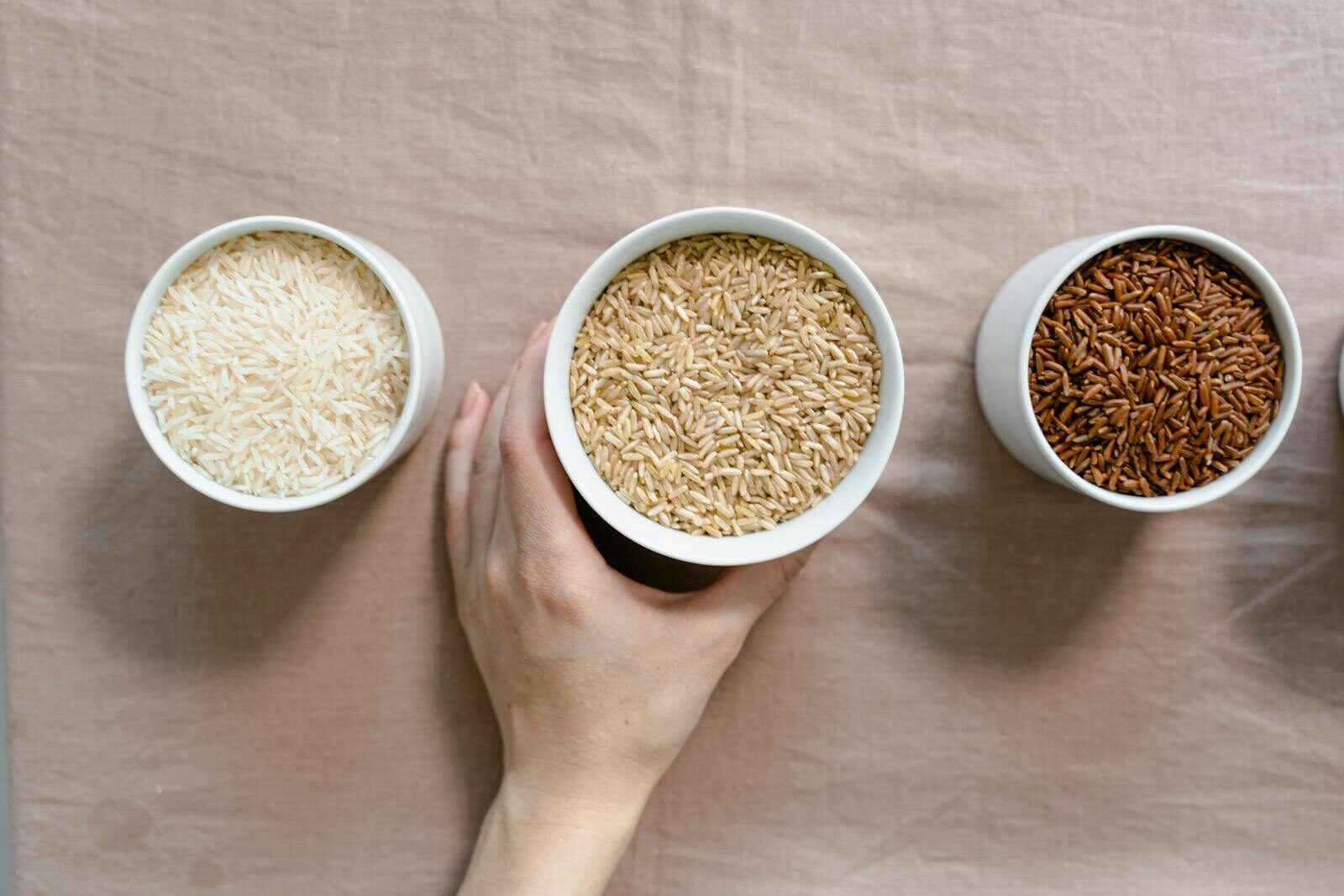
Traditional products are a heritage that embodies deliciousness, quality and respect for nature as discussed in our guide. If you are looking for authentic products that enhance nutritional value and support the local economy, then the solution is at Bakalokarpos. Here you will find selected Greek traditional products such as honey, legumes and herbs that meet the highest standards and traditional recipes.
Frequent questions
What are traditional products?;
Traditional products are foods that are associated with the cultural heritage and local identity of a region, with unique production and processing methods.
What are the main categories of traditional Greek products?;
The main categories include olive oil, dairy products (such as feta and gruyere), honey, wines and rare products such as Chios mastic.
What are the nutritional advantages of traditional products?;
Traditional products are rich in nutrients, pure and prepared using natural methods, offering significant nutritional benefits and contributing to the Mediterranean diet.
How does legislation contribute to the authenticity of traditional products?;
PDO/PGI legislation protects traditional products through certifications that ensure quality and origin, ensuring that they meet specific production criteria.







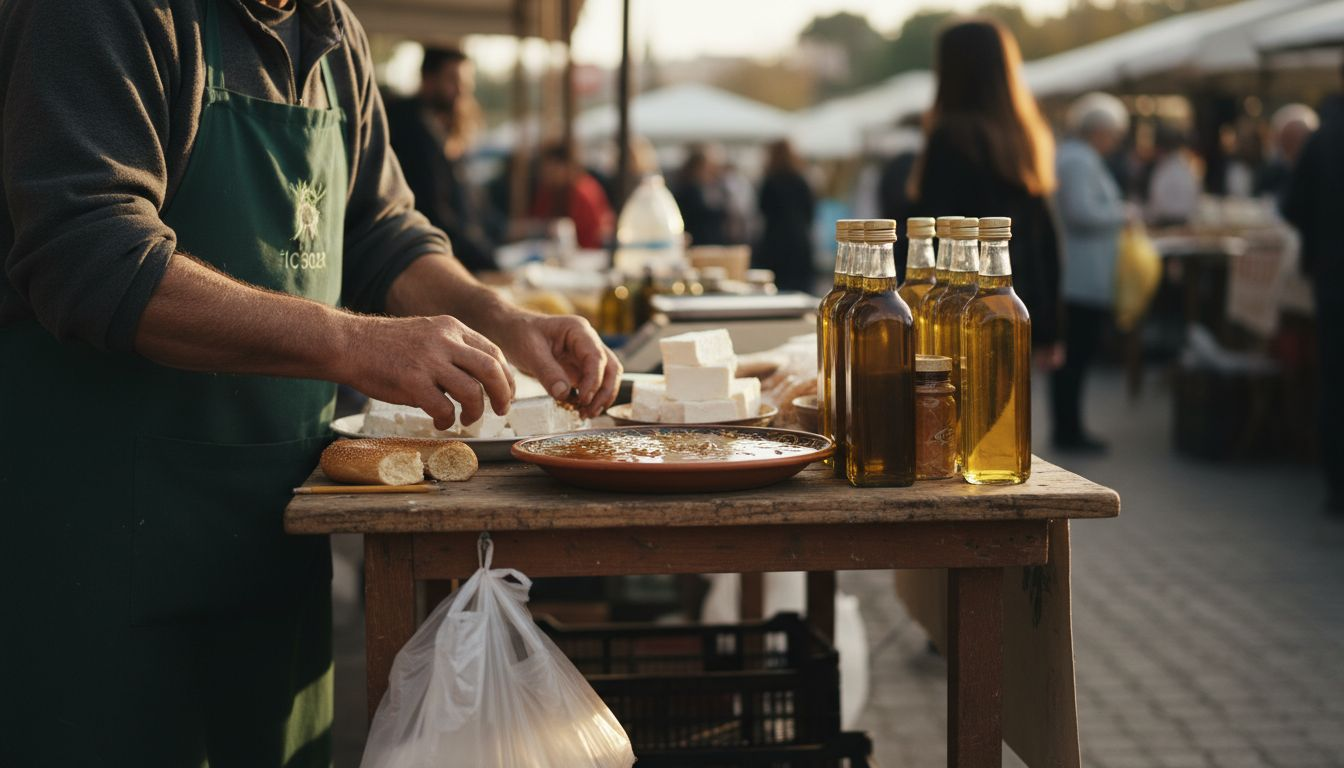 Professional advice: Always look for products with PDO (Protected Designation of Origin) certification to ensure authenticity and high quality.
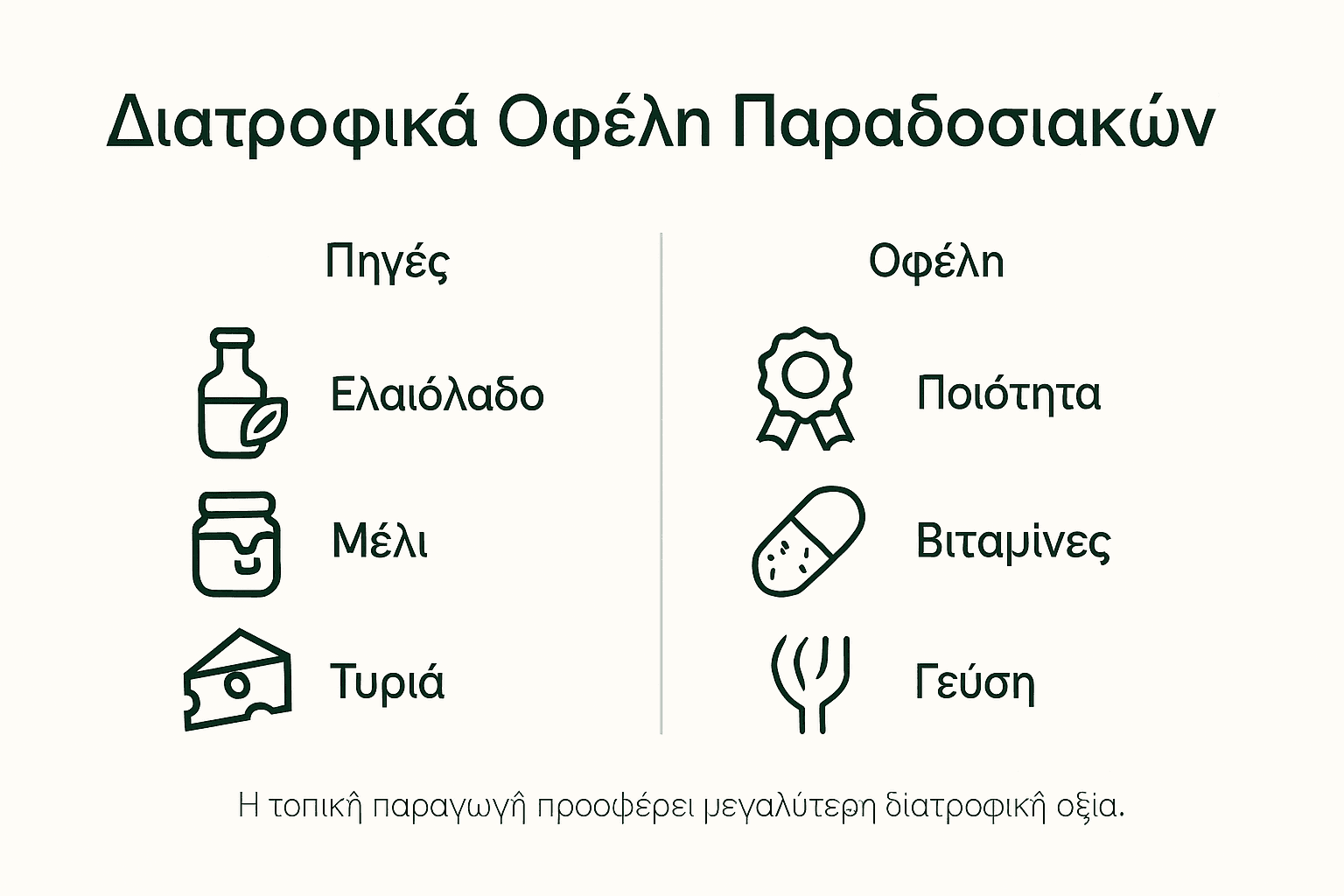 Professional advice: Choose traditional products with organic certification for maximum nutritional value and environmental support.
 Flower honey12.00€