





Black beans are one of those legumes that at first seem a little "foreign" in Greek cuisine, but once you cook them properly, you realize that they work very easily in everyday dishes.
They have a characteristic dark color, hold their shape well when cooked properly, and go particularly well with rice, tomatoes, peppers, greens, and strong aromatics.
The main confusion in Greece is not so much how they are cooked as which beans we end up buying.
Searches for black beans often show up black-eyed, mung, or even other dark-colored varieties.
Therefore, before we get to the pot, it's worth clarifying which legume we mean.
Black beans, black-eyed or mung beans? How to tell them apart
When we talk about black beans here, we mean the beans that you will encounter internationally as black turtle beans.
They are relatively small beans with a black, uniform exterior color.
They are not the familiar Greek black-eyed peas and they are not the small mung beans often used in Asian cuisine.
The difference is not just nominal.
The texture changes, the way the bean stands in the food, and of course the result of the recipe.
If, for example, you want to make a rice dish and you have in mind the black beans found in Latin American cuisines, black-eyed peas will give you a completely different result.
The same goes for mung beans.
The color of some varieties may confuse the buyer in a small product photo, but in practice they are different legumes.
Black beans and black-eyed peas are not the same thing
Black-eyed peas are easy to spot when you have them in front of you.
They have a light-colored body and the characteristic dark "black" area around the seed point.
True black beans, on the other hand, are dark over almost their entire outer surface.
In the kitchen, I also don't treat them as substitutes for each other.
They naturally go well with salads, olive oil and more familiar Greek dishes. black-eyed beans.
We prefer black beans when we want a bean that will stand out next to rice, grilled vegetables, tomatoes, peppers, or stronger spices.
It doesn't mean that there is a right and wrong legume.
It means that before we buy we need to know what result we want on the plate.
What to look for when searching for "black beans" online
When searching online, first look at the product itself and not just the page title or category where it appears.
The photo should show uniformly dark beans and the description should be consistent with the product.
If you see a white or beige bean with a black "eye", it is a black-eyed bean.
If you see very small seeds that look more like mung beans, then it is also not the legume we are describing here.
This is especially important when you are looking for a specific recipe and want to achieve a similar texture to what you see in the photo or instructions.
Proper cooking starts with the right bag.
How to prepare dried black beans before cooking
Dried beans take a little planning, but the process is simple.
Before I put them in the pot, I quickly spread them out in front of me and check to see if there are any seeds that I don't like in appearance or any foreign bodies.
Then I rinse them well with cold water.
From there, we proceed as with a dry legume that we want to soften evenly and remain pleasant to the bite.
The important thing is not to rush to use them in a recipe before they have reached the right texture.
A bean that remains hard inside won't be fixed just because we put a nice sauce on it afterwards.
Soaking and boiling
For dried black beans, I prefer to soak them first.
We put them in enough water so that they have space as they absorb moisture.
They need to soak for 8 to 12 hours, meaning you practically leave them overnight.
If you rush, you'll see it during the cooking process: some beans will have softened and others will be tough.
After soaking, drain them, rinse them and proceed to boil them with clean water.
We don't cook with a watch in our hand when we have dry legumes from a different batch in front of us.
We are trying.
We want the bean to be soft all the way through, but not fall apart as soon as we touch it with a spoon.
This is especially important if it is then going to go into the oven or continue cooking in a sauce.
In such cases, we lower it just before it reaches the point where we would serve it plain.
What aromatics are suitable for boiling?
During the first boil, we don't need to load the pot.
One-two bay leaves it is a safe and familiar choice.
The bay leaf gives aroma without hiding the character of the legume.
Later, depending on the recipe, we can move on to tomatoes, onions, garlic, peppers, paprika or other spices.
THE oregano It suits best when we take the dish in a Mediterranean direction, for example with tomato, grilled vegetables and olive oil.
They don't need all of them together.
Black has enough personality to elevate even a simple composition.
Black beans with rice
Combining it with rice is perhaps the easiest way to get to know this legume.
The key is to cook the two ingredients so that neither loses its texture.
We prefer to have the beans already boiled and then combine them with the rice towards the final stage of cooking.
This way we can better control the result.
In a deep pan or pot, start with onion and, if desired, a little pepper.
We add tomato or a drier base with spices, depending on the style we want to give.
Then the rice is added and finally the already cooked beans, so that they warm up and bind with the rest without melting.
If the dish comes out correctly, you should be able to distinguish both the rice and the beans in each spoonful.
We don't want a shapeless mass where everything has the same texture.
It's also a great dish to use up beans you've already boiled.
You boil a quantity, keep as much as you need, and the next day cooking becomes much simpler.
Black beans in the oven
In the oven, black beans mainly require attention to moisture.
Because they usually come in already cooked or almost cooked, the goal is not to cook them until they are soft from the start.
The goal is for them to taste the sauce.
A simple base of onion, tomato, pepper and olive oil works very well.
Mix the beans with the sauce and place them in a container where they will not spread out in an excessively thin layer.
While baking, we check that there is enough liquid so that the food remains juicy.
If dried too early, the beans lose what makes them enjoyable.
The surface may set, but we still want sauce underneath.
More Mediterranean aromatics are also suitable here, as long as they are not used all together for no reason.
Are "baked giant black beans" the same thing?;
No.
The black beans we describe here are not giants.
The term "black giant beans" can lead to confusion, especially when someone is simply looking for a dark-colored legume for baking.
If you really want giants with a different look than the usual white ones, there are the Colored giants of Prespa.
However, it is a different product and should be treated as a different legume in the recipe.
Black beans with peppers
Peppers are one of the easiest combinations because they add sweetness, aroma, and a different texture.
Sauté the peppers with onion, add the already boiled beans and let the ingredients combine with a little tomato or simply with olive oil and spices.
The result can be served hot or lukewarm.
Here I prefer to keep the recipe simple, so that the legume remains a key part of the dish and not just a garnish.
Black beans with spinach
Spinach works well when we want a simpler casserole dish.
We first cook the base with onion and spinach and add the boiled beans towards the end.
A little lemon or tomato can completely change the direction of the dish, so we choose one of the two and don't try to fit all the flavors together.
The result should remain clean and easy to eat.
Black beans with tuna
With tuna, I prefer beans cold or at room temperature, as a hearty salad.
We combine them with tuna, onion, pepper or other crunchy vegetable and a simple dressing.
The beans must be drained well so that the salad does not become watery.
It's one of those uses where it shows how practical it is to have a quantity already cooked in the refrigerator.
Even more easy black bean recipes
Once you have boiled beans, the options open up quite a bit.
They can be added to a salad with tomato, onion and herbs.
They can be used as a filling along with vegetables in pies or other preparations.
They can also be put in a rich tomato sauce and served alongside rice or another side dish.
For a spicier version, they add paprika, cumin, and pepper.
In a more Greek direction, I prefer tomato, olive oil, onion and a little oregano.
The basic principle is one.
You don't need to look for a "special recipe for black beans" every time.
If you know their texture and have cooked them properly, you can use them as you would a good legume that you want to keep its shape in the dish.
Dried or canned? What changes in the recipe?
Dried and canned black beans may end up in a similar dish, but they don't start from the same place.
With dry ingredients, you have control over the preparation and cooking.
You soak them, boil them, and decide when they have reached exactly the texture you want.
This is especially useful in baked goods or recipes where the beans will continue to cook.
In the can, the legume is already cooked.
There, our job is mainly to drain it and incorporate it into the recipe without overcooking it.
There is no point in re-boiling a ready-made bean as if we were starting from a dry product.
If a foreign recipe says "one can of black beans" and we have dried beans, we simply need to bring them to the corresponding cooked stage first.
From there, we continue the recipe as normal.
In Bakalokarpos the Larissa black beans sold dry and in bulk, with a choice of quantity.
So when using them in a recipe written for canning, first calculate the preparation of the dried legume and then follow the remaining steps.
Where to find black beans for your recipes
If you are looking for this specific legume and not black-eyed peas or mung beans, at Bakalokarpos you will find them Larissa black beans.
This is a dry, bulk product with a choice of quantity, so you can get as much as you need for your kitchen.
Orders are placed online and shipments cover the entire European Union, with a minimum order of 10 euros.
In the description and appearance of the product, you should always confirm that you are buying the correct type, especially when starting from a recipe that uses the English term black beans.
Just because a legume is dark in color or appears in the same search results doesn't mean it will behave the same in the pot.
If you're just starting out, I would suggest a simple rice recipe or a baked dish with tomatoes and peppers first.
There you can easily understand its flavor and texture without being covered by many other ingredients.
Do you want to learn about other bean varieties?;
Black beans are just one option within the large family of beans, and each variety has a different place in the kitchen.
For more general information about varieties, nutritional value and ways of consumption, there is the detailed guide Beans: Nutritional value, varieties and ways of consumption.
If you want to try a different legume in dishes with sauce or stronger flavors, you can also check out the red beans.
For more traditional uses there are: mullet beans.
The important thing is not to treat all beans as the same material.
The texture changes, the way they absorb the sauce changes, and the way they stand on the plate changes.
With black beans, what we want most is to cook them properly from the beginning and then let them do what they do best: hold their place in the recipe without needing complicated treatment.
In our online store you will find black beans and all our other legumes.
Related products
-
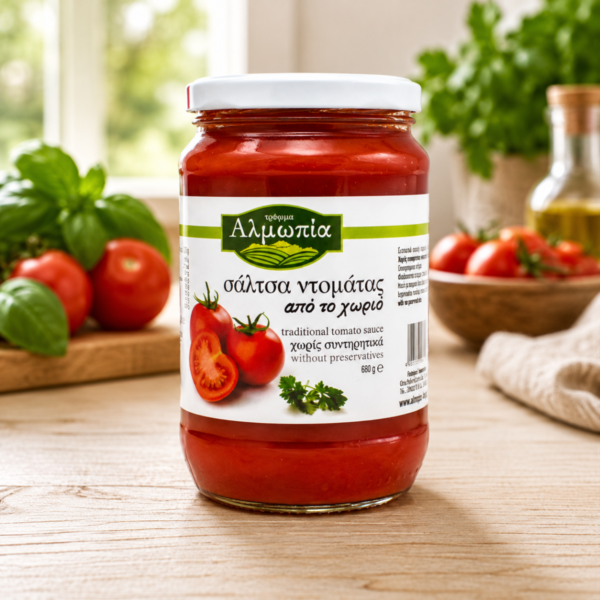
 Tomato sauce3.30€
 -
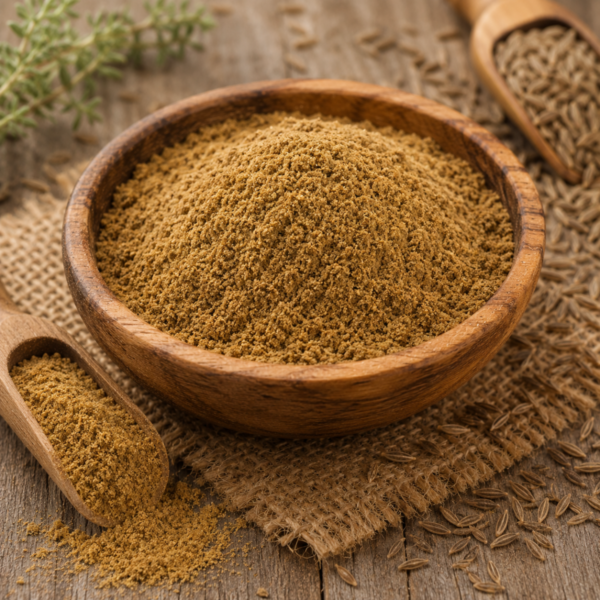
Ground cuminPrice range: 0.90€ through 9.00€
-
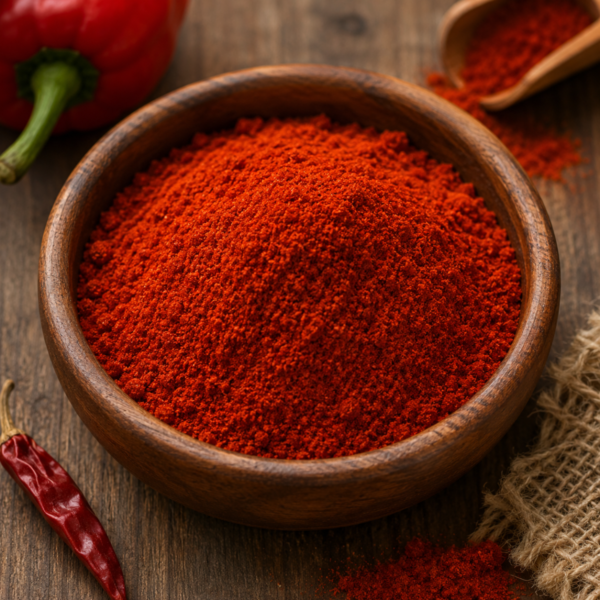
PaprikaPrice range: 1.00€ through 10.00€