




What is pomegranate juice?
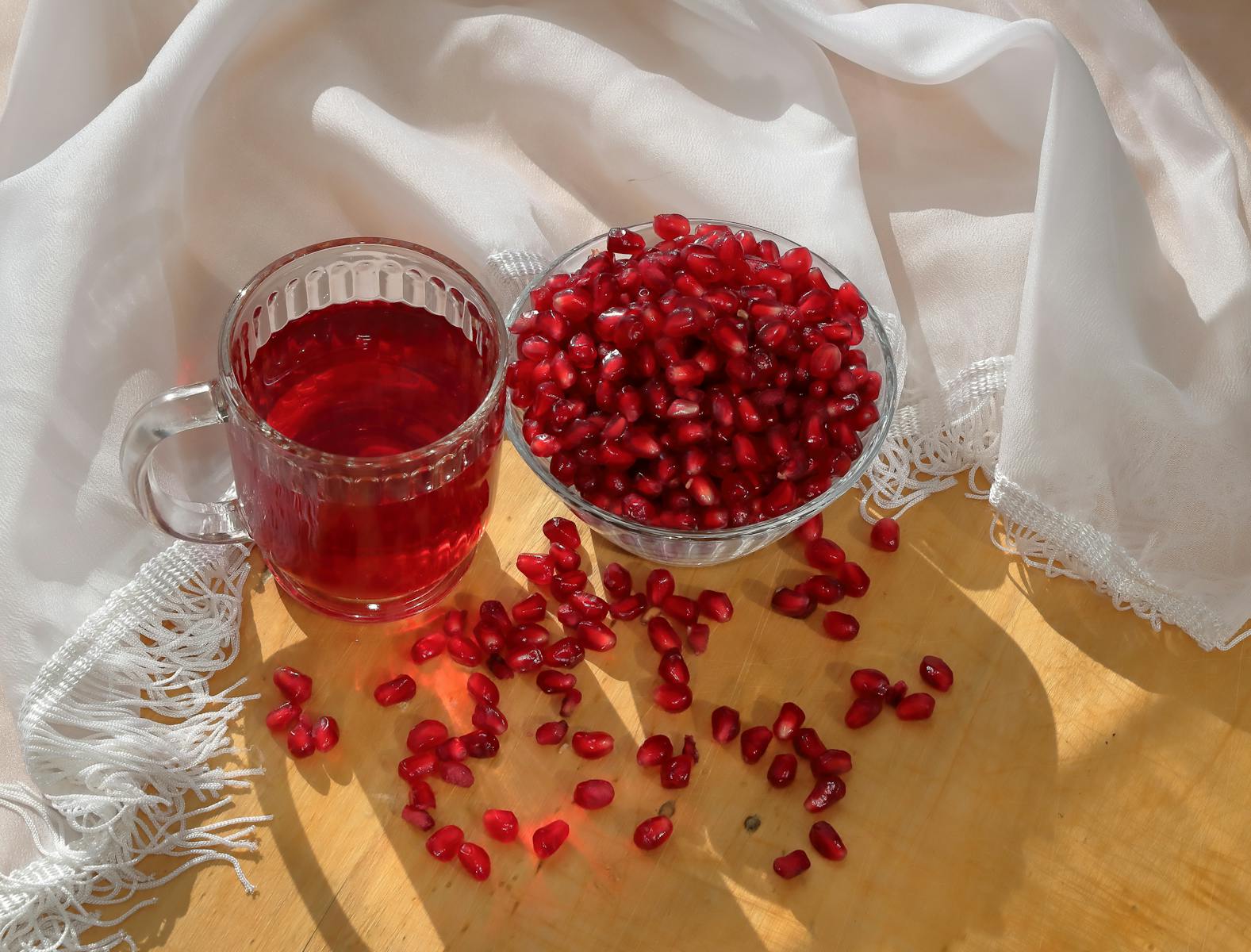
Pomegranate juice is a natural beverage that comes from squeezing pomegranate seeds and is one of the strongest choices in the modern diet.
It stands out for its deep red color, its characteristic sweet and sour taste and its high content of antioxidants.
THE natural pomegranate juice It is produced exclusively from the fruit, without adding sugar or water.
In contrast, concentrate goes through a process of water removal and reconstitution, which affects its nutritional value.
The juice can be consumed fresh, immediately after squeezing, or bottled.
Nutritional value & calories of pomegranate juice
Pomegranate juice contains approximately 50–70 calories per 100 ml, depending on the variety and preparation method.
The calories in pomegranate juice come mainly from natural sugars.
It is rich in carbohydrates, while containing little fat and almost no protein.
At a micronutrient level, it offers vitamin C, vitamin K and potassium.
Pomegranate juice and iron are indirectly linked, as vitamin C helps it be better absorbed from other foods.
The polyphenols and flavonoids of pomegranate juice rank it among the most antioxidant beverages.
Benefits of pomegranate juice for the body
Pomegranate juice supports cardiovascular health thanks to the action of its antioxidants.
Regular consumption of pomegranate juice has been linked to improved blood circulation.
This juice strengthens the immune system, especially during periods of fatigue.
The anti-inflammatory effect of pomegranate juice contributes to overall well-being.
Pomegranate juice is often associated with women's health and especially with menstruation, as it can help reduce fatigue.
Pomegranate juice & sugar – what should I know?
Pomegranate juice contains natural sugars, which often raises the question of whether it raises blood sugar.
Pomegranate juice has a moderate glycemic index compared to other fruit juices.
Consuming pomegranate juice in small amounts does not cause sudden increases in blood sugar in healthy individuals.
People with diabetes should consume pomegranate juice in moderation and always as part of a balanced meal.
Quantity plays a crucial role in the proper consumption of pomegranate juice.
When and how to drink pomegranate juice
This juice on an empty stomach is preferred by many due to the better absorption of antioxidants.
However, it may cause discomfort in sensitive stomachs.
In the morning it gives energy and stimulation.
In the evening it can be consumed in a small quantity as part of a light meal.
It goes ideally with nuts or yogurt.
Maintenance & lifespan
Fresh pomegranate juice keeps in the refrigerator for 2 to 3 days.
Proper storage of pomegranate juice requires a glass, airtight container.
Bottled juice keeps longer, according to the instructions on the package.
A change in smell or color indicates that the juice has spoiled.
Pomegranate juice in the Greek market
Pomegranate juice from Greek crops is constantly gaining ground.
There are several Greek producers who invest in the quality of pomegranate juice.
The label plays a crucial role in choosing pomegranate juice.
Where can I buy pomegranate juice?
Pomegranate juice is available in natural food stores such as Bakalokarpos Grocery Store.
Pomegranate juice can also be purchased from e-shops.
How to choose quality pomegranate juice
Quality juice contains only pomegranate as an ingredient.
Pomegranate juice with added sugar should be avoided.
The natural color and slight acidity indicate authenticity.
Frequently asked questions
Pomegranate juice raises blood sugar when consumed in excess.
It has moderate calories.
It can be consumed on an empty stomach with caution.
It keeps in the refrigerator for a few days.
It is suitable for women during menstruation.
It indirectly helps in iron absorption.
When should I prefer pomegranate juice in my daily diet?
Pomegranate juice can be included daily in a small amount.
Balance is the key to the benefits of pomegranate juice.
People with special dietary needs should consult a specialist.